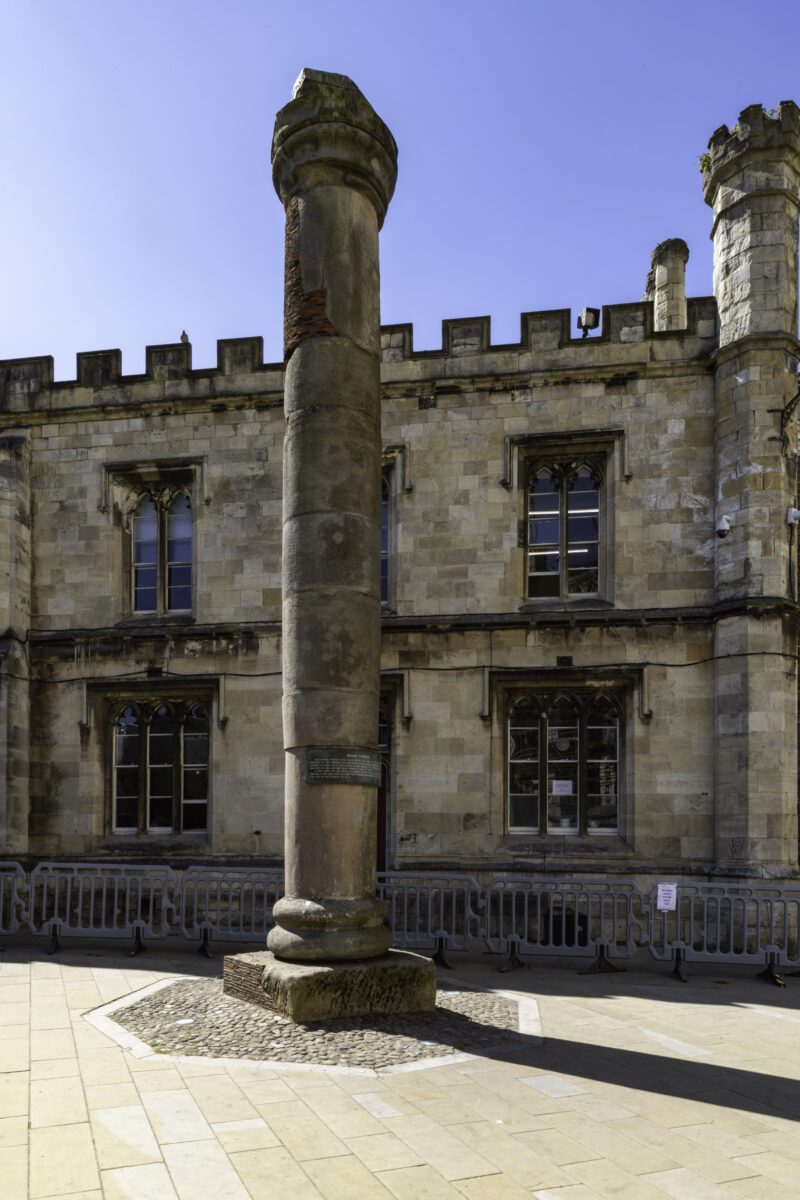
York is a city that has networks of buildings, streets, traditions and imagery that have existed for centuries. It is also a city that has undergone significant change in its economy, character and relationship with the landscape that underpins it.
York Civic Trust was founded 80 years ago, building on well-established traditions of public participation in shaping the city for the long-term benefit of its residents. The charity was started by some of York’s leading businessmen, civic leaders and people who saw the city as the heart of the North of England. Its membership was open to anyone with an interest in York – quickly growing to include supporters spread across the world. Today, the Trust’s membership, which remains open to anyone, is at the core of the work the charity undertakes.
Looking back to 1946, and it is remarkable how different the city was.
York Minster has little competition today in dominating the city’s modern pedestrianized historic core. Over the last eighty years, however, this dominance was challenged by chimneys, factories and a city centre power station with its very own cooling tower.
Where the visitor economy is now the economic driver of the city, twentieth-century, small-scale manufacturing and crafts, food production and the railways once employed thousands of local people.
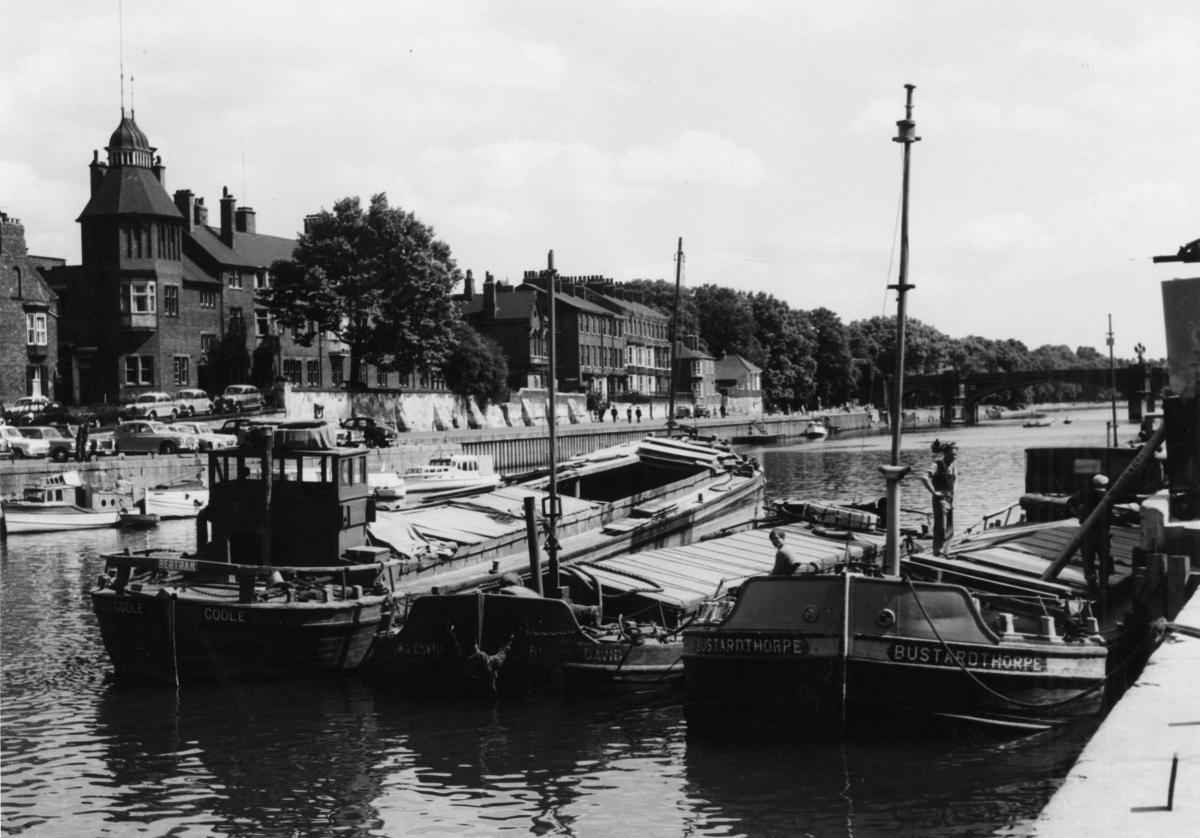
The riverside bustled. Queens Staith and North Street Landing worked as commercial quaysides connecting York with the rest of Yorkshire and the North Sea until the 1960’s. Before the advent of the multitude of delivery lorries on our roads, companies used the city-centre quaysides to move bulk commodities including paper to York Press, gravels and cement for construction and the ingredients needed for York’s confectionary businesses.
Leading up to and following World War Two, the pressure on the city’s historic buildings was immense. A lack of investment, a changing society and new economic opportunities resulted in a great deal of York’s past being demolished. Churches lost congregations; medieval buildings had no viable uses and felt outdated, and a move away from small scale industry to a service-based economy brought pressures to the city not seen for 150 years.
Programmes of building new council housing, both in the centre and in the expanding reaches of the city, provided a growing population with sanitary and watertight housing – often for the first time. Communities were disbanded, whole streets became empty and redundant, and many were demolished.
Affordable motor vehicles were mass produced, and their popularity began to dominate the streets and squares of the city.
The Civic Trust took up the challenges that these modern strands of life threw at the city’s character, promoting a long-term view of the city’s development both forwards and backwards.
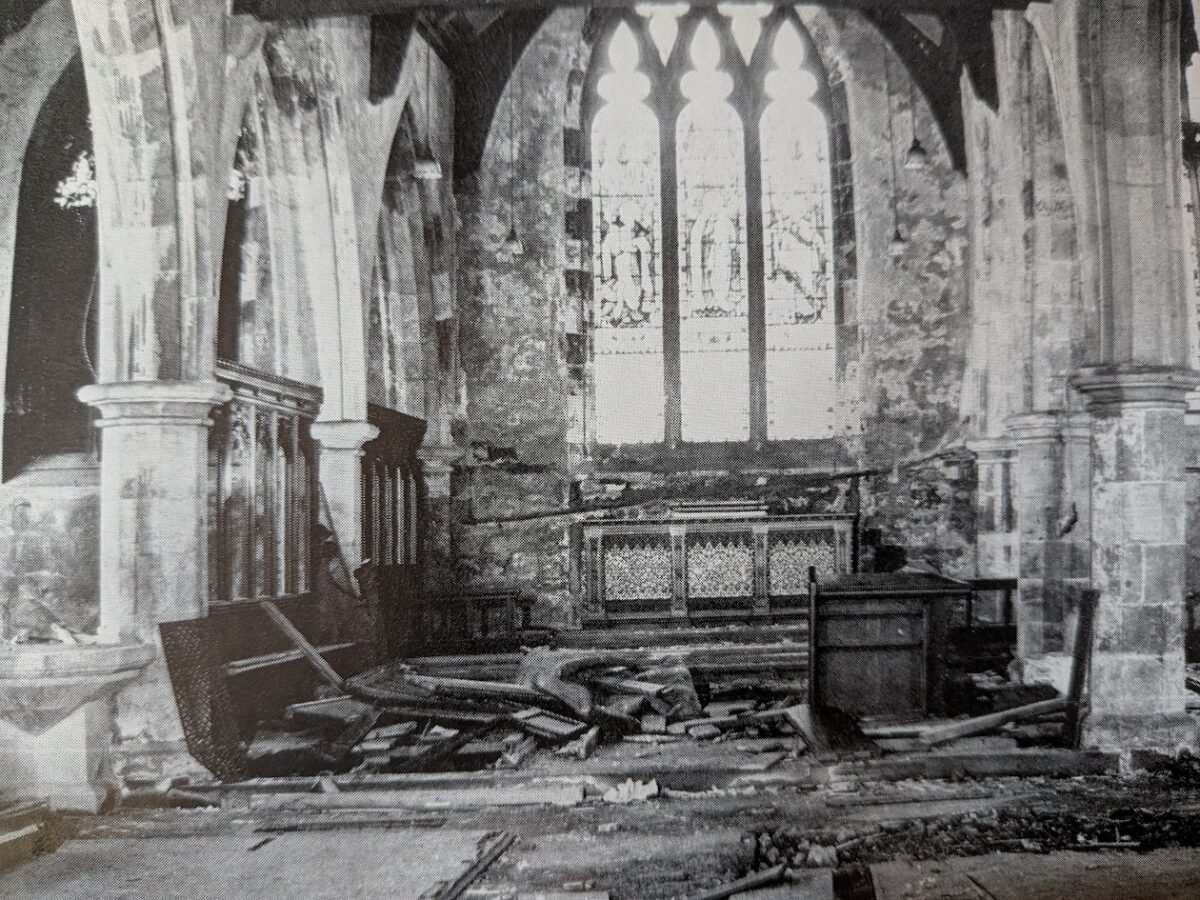
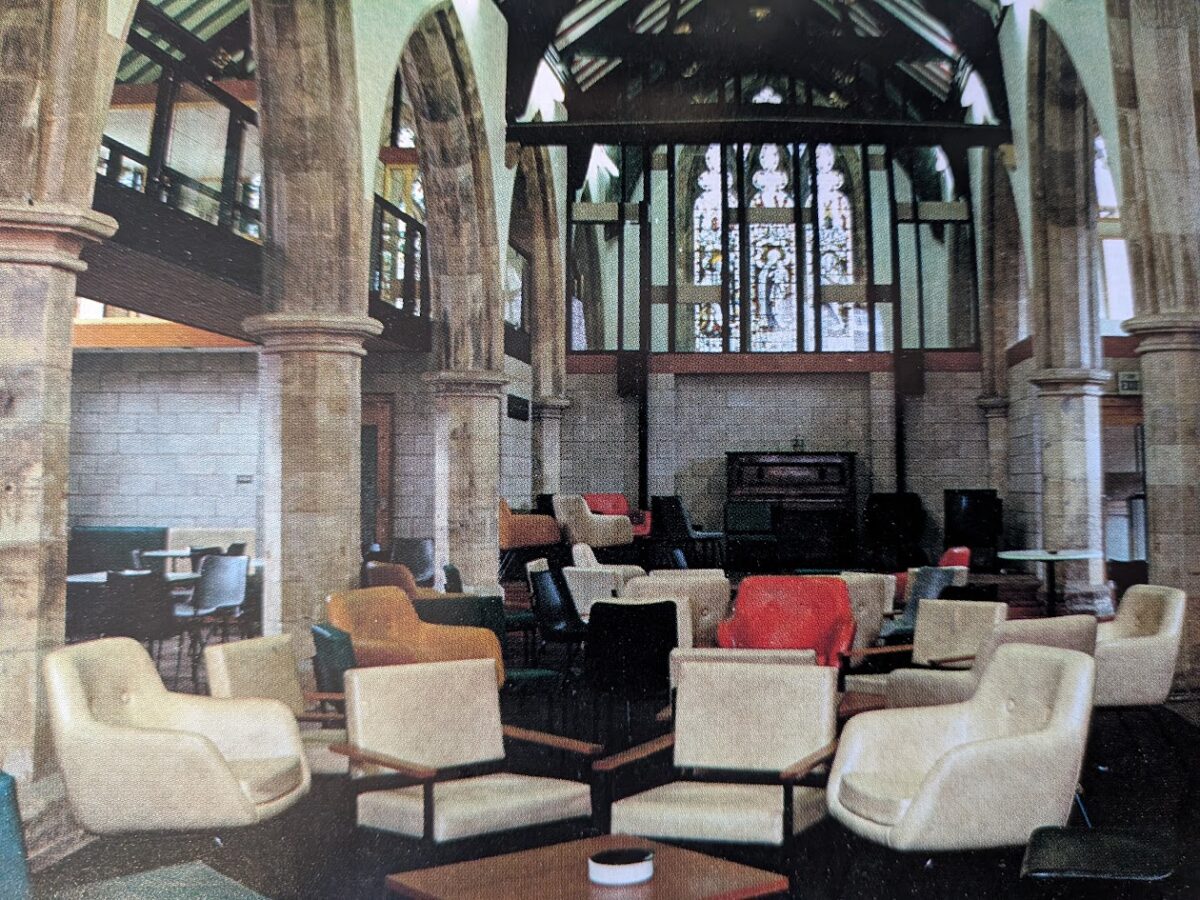
Investing, in today’s money, roughly £7million, the Civic Trust breathed new life into at least thirteen buildings in the city centre. St John’s Church (Micklegate) became the Institute of Architectural Studies and St Anthony’s Hall (Stonebow) the Borthwick Institute of Archives and Historical Research. These in turn led to the University of York. St Sampson’s Church became the Centre for Old People (now St Sampson’s Centre) and Fairfax House was restored to become one of the leading independent historic house museums in UK.
Trees were planted and high-quality green spaces nurtured within the densely built city centre and the expanding suburbs.
The Trust realized that influencing others to deliver high-quality design was just as important as working with the best of which has gone before. Investing in architectural design competitions for large development schemes or simpler structures, bus shelters and public seating, saw the Trust take a leading role in promoting modern design.
Of course, it is not all about one organisation – York is at its best when people work together and to the future. The City Council employed some brilliant architects and engineers who sought to build a strong future for the city. Working with the Civic Trust in pioneering neighbourhoods, including Aldwark, which was forged out of a run-down industrial area, were designed by local architects and delivered by local developers.
Sculptures, fountains, artwork and a strong programme of city enhancement work has added vitality across the city – assets which are now seen be millions of tourists every year.
As the Civic Trust approaches its 80th anniversary, the city is still changing and it is as important now as 1946 that York has a strong organisation whose voice is drawn from its membership to play an active role in the future of the city.
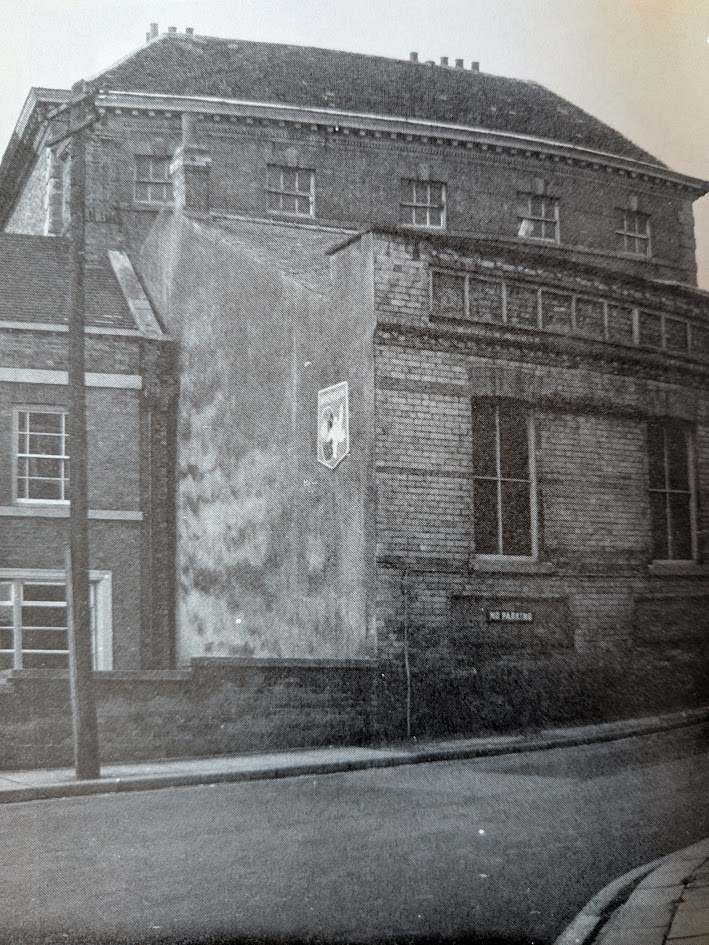
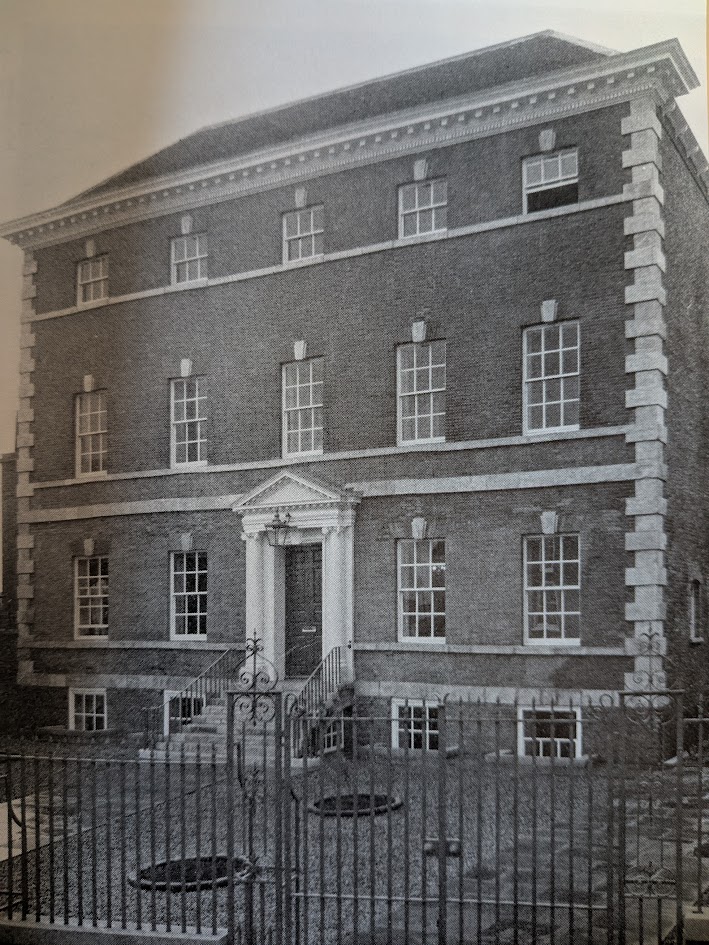
Peaseholme House before and after York Civic Trust restoration works