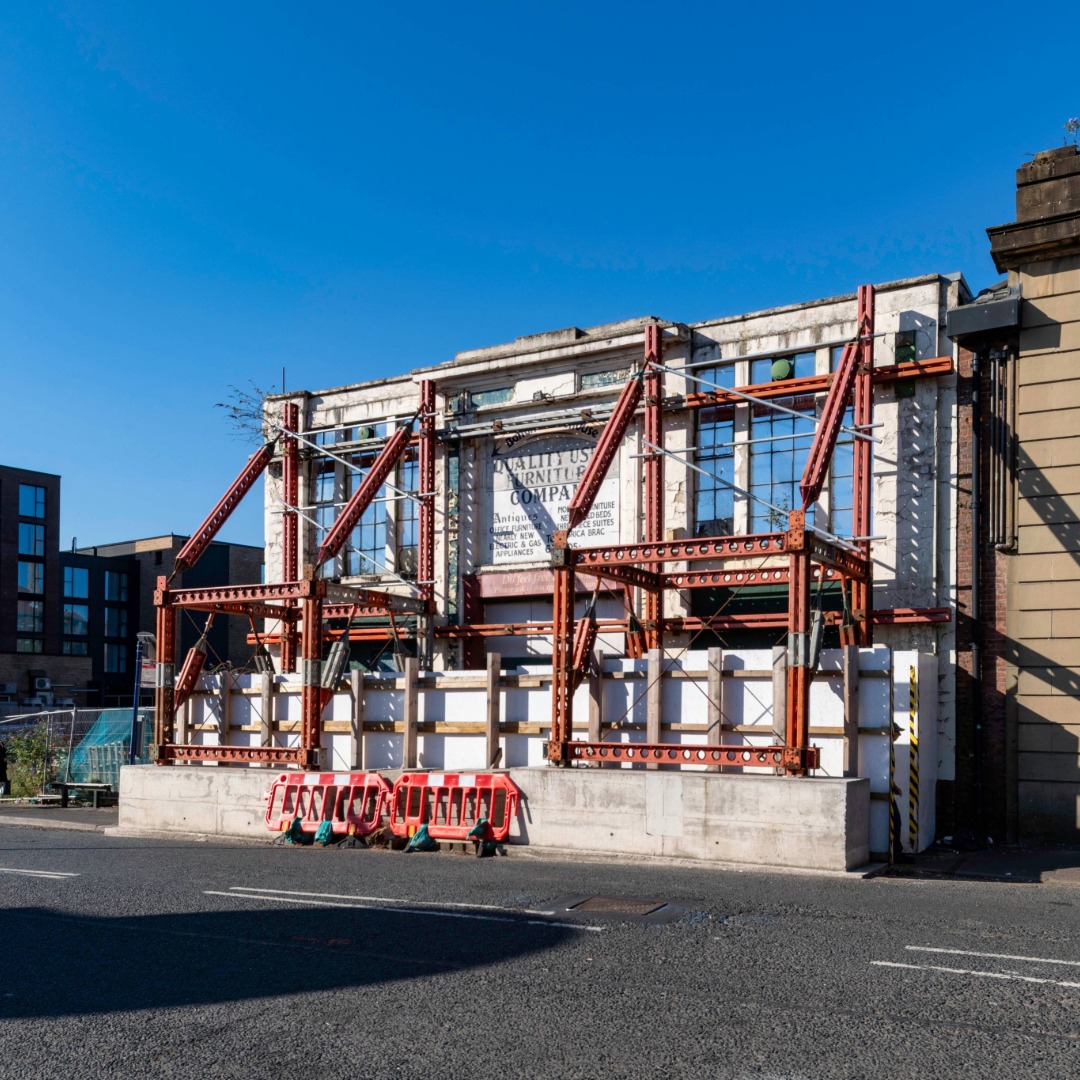
York Civic Trust’s Heritage and Planning Manager, Dr Duncan Marks explains why York’s Heritage at Risk Register is important to protect parts of the city we all love
The recent approval of plans to adapt the former canteen and Alliance House at the Carriageworks on Holgate Road is, in many ways, a quiet success story.
Dating from the 1880s and once part of York’s vast railway manufacturing complex, these buildings remind us that York’s railway heritage was not only about engines and engineering, but about people, skills, and community.
That Network Rail is now set to bring them back into use is welcome. It follows, however, a near miss. The partial collapse of the canteen roof in April 2023, after a period of neglect, and subsequent proposals for demolition, showed how easily heritage can slip from “valued” to “vulnerable.”
Buildings are rarely lost overnight; more often through inattention or delay than by criminal damage (such as the demolition of the “Crooked House” pub in Staffordshire in 2023).
It was in direct response to this threat that York Civic Trust established the city’s Heritage at Risk Register, inviting nominations from the public. While national surveys suggested York had little heritage at risk, local experience told a different story. These registers tend to focus on designated assets. York, with its high number of listed buildings, can appear well protected on paper, yet that picture is incomplete.
The York Heritage at Risk Register takes a broader view. It is understood to be unique in the UK in being both initiated and maintained by a local amenity society, and in inviting entries directly from the public. It allows “heritage” to be shaped not only by formal designation, but by lived experience – what communities recognise as part of their story.
This approach sits alongside the York Local Heritage List, established in 2007. That list includes around 170 buildings and spaces which contribute to the city’s character but fall short of national designation. They range from bowling greens, air-raid shelters to former post offices and oddities such as the Bile Beans sign.
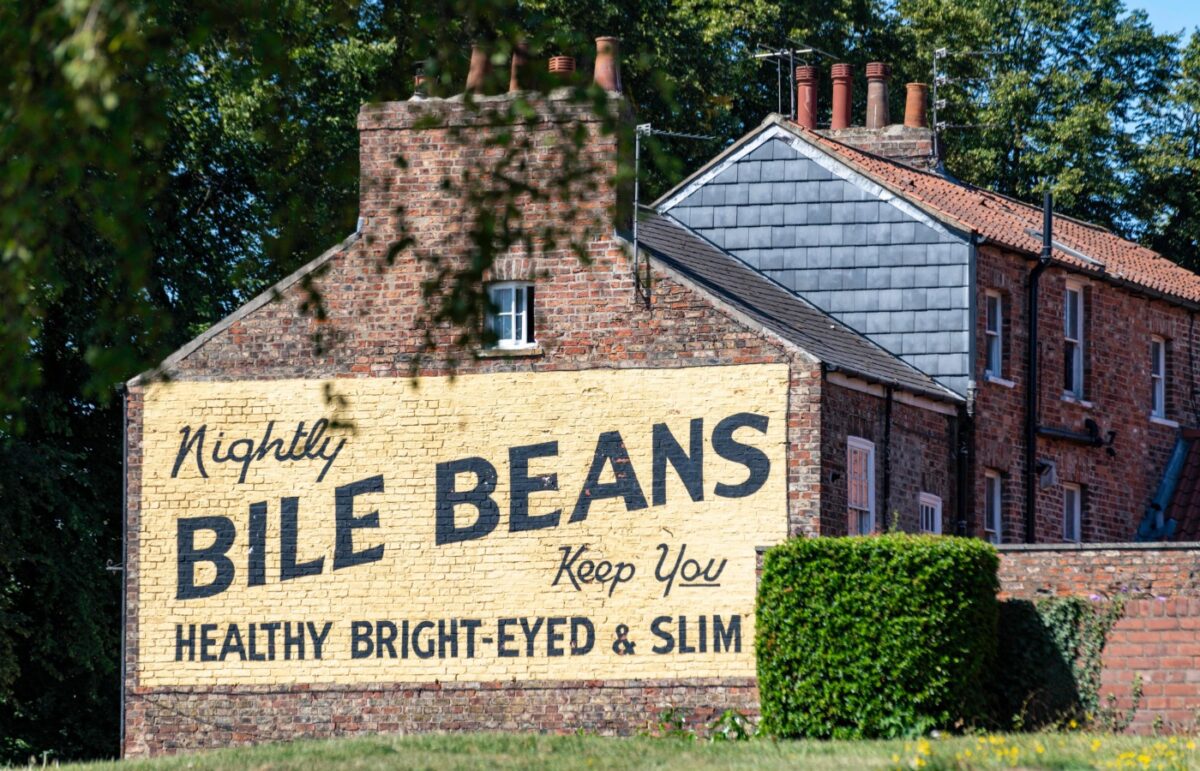
Picture: Colin McLean
Yet the record since 2007 is sobering. Over 20 locally listed assets have been lost through demolition or drastic alteration. In the city centre, half of those once identified have disappeared. Names like Reynard’s Garage have been erased. In places such as Piccadilly, the cumulative effect of change is hard to ignore. Only the listed Red Lion pub and the facade of the Banana Warehouse remain, raising questions about whether the conservation area still reflects a coherent historic entity.
This is why a local Heritage at Risk Register is not simply a list for its own sake. York hardly needs more lists to prove its historic importance; with more than 1,300 nationally designated assets, its significance is beyond doubt. Rather, the register can act as an early warning system and a catalyst for action. It highlights buildings before they reach irreversible decline and gives communities a way to articulate what they value.
There are already signs of how this might evolve.
The “Our Place” project in Acomb and Westfield is expected to bring forward new candidates – sites that may never feature in a national survey but are central to local identity. In this way, the register becomes a tool for discovering, not only saving, heritage.
All of this takes on added significance in the context of the Government’s current planning consultation. The drive to streamline decision-making is understandable, particularly in the face of housing and infrastructure needs.
But there is a risk that, in simplifying processes, the quieter mechanisms of local understanding are diminished. Heritage, especially at the local level, does not always fit neatly into national frameworks or expedited timelines.
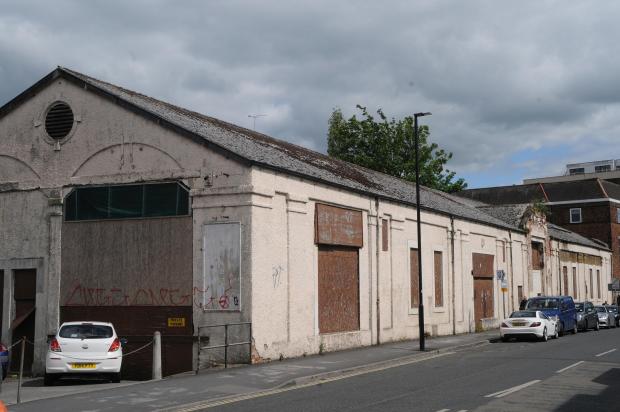
Long gone – The former Reynards garage/ aircraft factory on Piccadilly, York – now the site of Spark York. Picture David Harrison
A locally grounded register offers a counterbalance. While not a formal planning tool, it helps ensure decisions are informed not only by policy, but by knowledge within the community. It creates a space where concerns can be raised early, patterns of neglect identified, and intervention considered before options narrow. It can range from major sites like Bootham Park Hospital, empty since 2015, to less visible but vulnerable assets such as York’s archaeological deposits, threatened by climate change and changes to the water table.
The story of the Carriageworks buildings shows what is possible when heritage is recognised in time. The lesson of sites already lost is what happens when it is not.
Between those outcomes lies the quiet often unglamorous work of paying attention – of looking up and spotting buddleia growing, slipped tiles, evidence of trespass, and then speaking up.
Check out York Citizen’s Heritage at Risk Register: