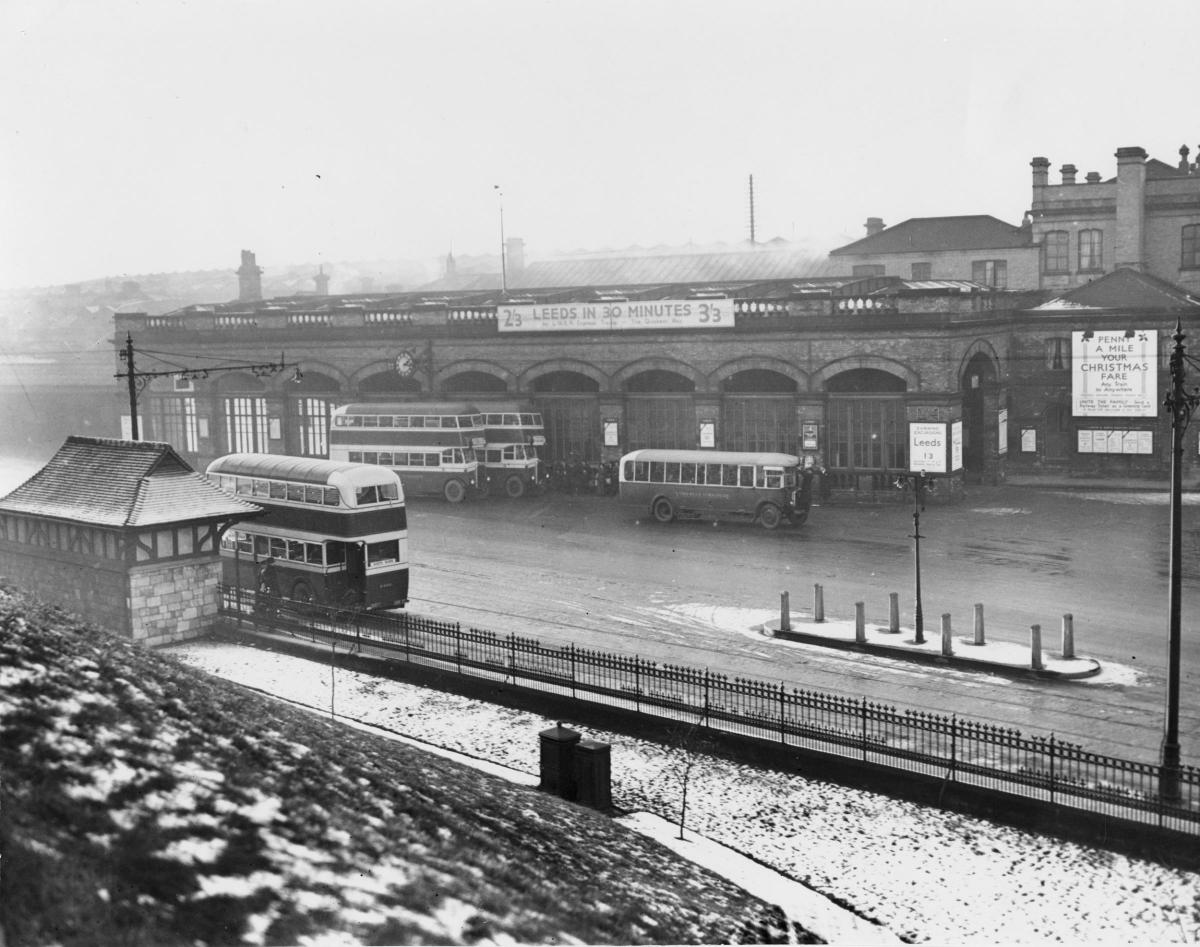
One hundred years ago this month, York joined one of the most dramatic episodes in modern British history, writes Duncan Marks, planning & heritage manager at York Civic Trust.
The General Strike of May 1926 lasted only nine days nationally, but in cities such as York its effects and memories ran far deeper.
Railwaymen, printers, and transport and confectionery workers in York walked out in solidarity with coal miners facing wage cuts and longer hours. Across Britain, around 1.7 million workers joined the stoppage.
York was sharply divided during the General Strike between its white-collar population and unionised industrial workforce.
Although not a coal-mining town, the city depended heavily on the railways, which of course relied on coal, and confectionery industries, meaning the strike affected thousands of local families.
More than 7,000 York workers joined the stoppage, with daily meetings held on the Knavesmire. Railway services were badly disrupted, with passenger traffic through York reduced by over 75 per cent and goods services by more than 90 per cent.
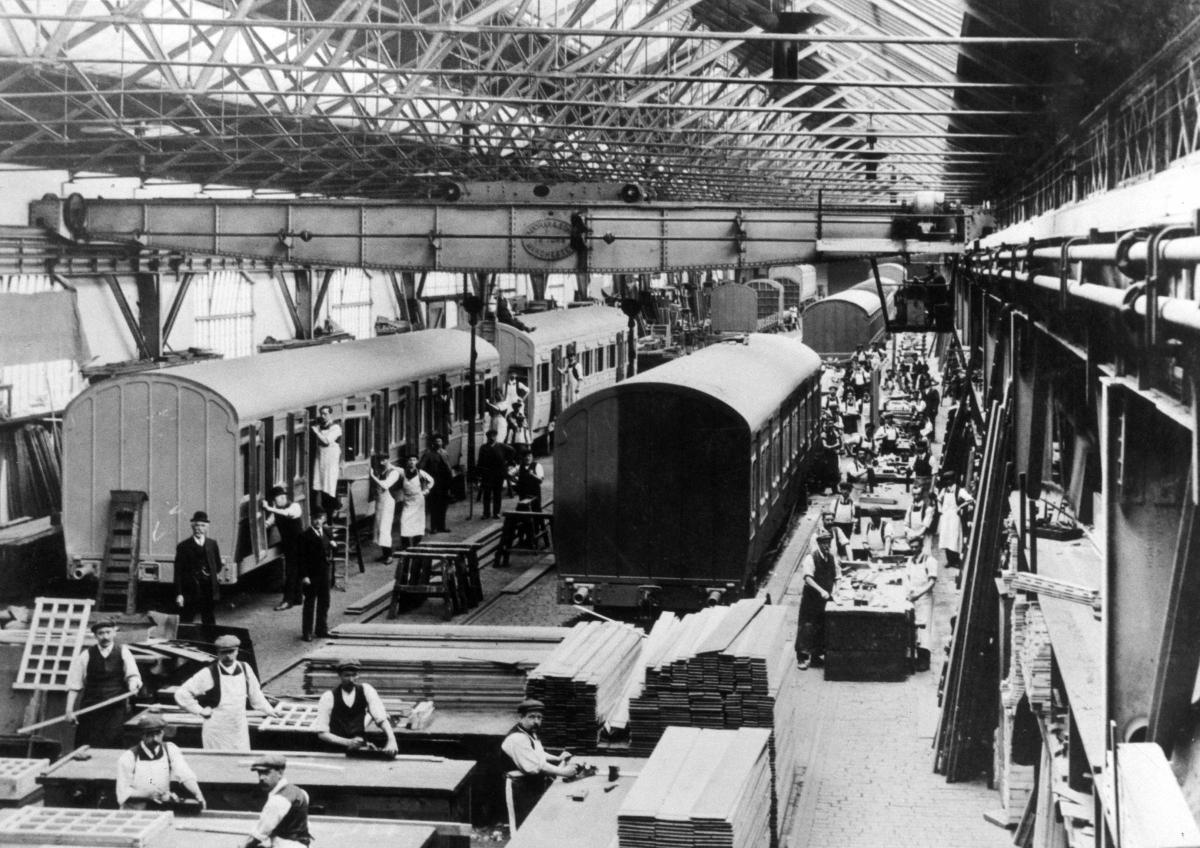
Recent research by the Rowntree Society has cast fresh light on how tensions surfaced during the General Strike.
Rowntree & Co. is often remembered for welfare policies and relatively progressive labour relations. Yet the strike exposed strains beneath that reputation. Like Terrys and Cravens, the Rowntree’s Cocoa Works was forced to close because transport and supply systems had collapsed.
Tensions in York during the strike occasionally turned violent, including on Rougier Street where the strikers had their headquarters.
At a level crossing near Crichton Avenue in Clifton strikers attempted to halt a train, leading to clashes with police and damage to the gates.
Picketing was common, including between transport workers and York’s less unionised bus workers, many of whom continued operating services. York nearly doubled its police force through ‘special constables’, being middle-class volunteers and First World War veterans.
The city also recruited volunteers to maintain services, including through organisations such as the British Fascists – a reminder of the political tensions surrounding the strike at the time. Yet compared with many industrial cities, disorder remained largely peaceful in York.
Only nine arrests were made, and troops were never deployed against strikers. The strike ultimately ended in defeat for organised labour. Many miners were forced back to work on lower wages and longer hours, deepening hardship in already struggling communities.
The anniversary becomes more interesting when placed within York’s wider history, with industrial conflict in York stretching back much further.
One of the city’s earliest labour disputes occurred around the construction of the Red Tower in 1490 – 1491. The City Corporation decided to build the tower in cheaper brick rather than traditional limestone, angering York’s powerful Masons’ Guild, which had been bypassed in favour of the Tilers’ Guild.
The dispute escalated into intimidation, sabotage and eventually murder when a tiler, John Patrick, was killed in 1491.
Two prominent masons, including York Minster’s Master Mason William Hindley, were charged, but no one was convicted.
The episode revealed how closely economic power and political influence were intertwined in medieval York. More than a century before the General Strike, the city witnessed another anxiety over economic transformation: the suppression of the Yorkshire Luddites.
Workers fearful that mechanisation and new factory systems would destroy traditional livelihoods attacked industrial machinery across Yorkshire, particularly in the textile districts of the West Riding. Trials were held in York.
Following the government’s harsh crackdown on what it regarded as organised insurrection, 14 men were hung at York Castle in 1813, leaving 57 children fatherless.
It is easy now to caricature the Luddites as simply “anti-technology”. In reality, many feared rapid technological change benefitting owners while undermining skilled labour and wages.
Their concerns were not unlike those voiced during the General Strike, when workers argued they were again being forced to shoulder the social costs of economic change. That same debate has re-emerged through artificial intelligence.
AI promises extraordinary advances in efficiency and productivity, just as mechanisation once did. Such changes once again surface concern over disappearing jobs, economic and generational inequality and how quickly workers can adapt.
But the anniversaries of 1491, 1813 and 1926 remind us that technological and economic change has rarely been socially neutral, and York is unlikely to be unaffected by the AI revolution.
The same question remains: when our economy changes rapidly, how do we ensure people are not simply left behind?