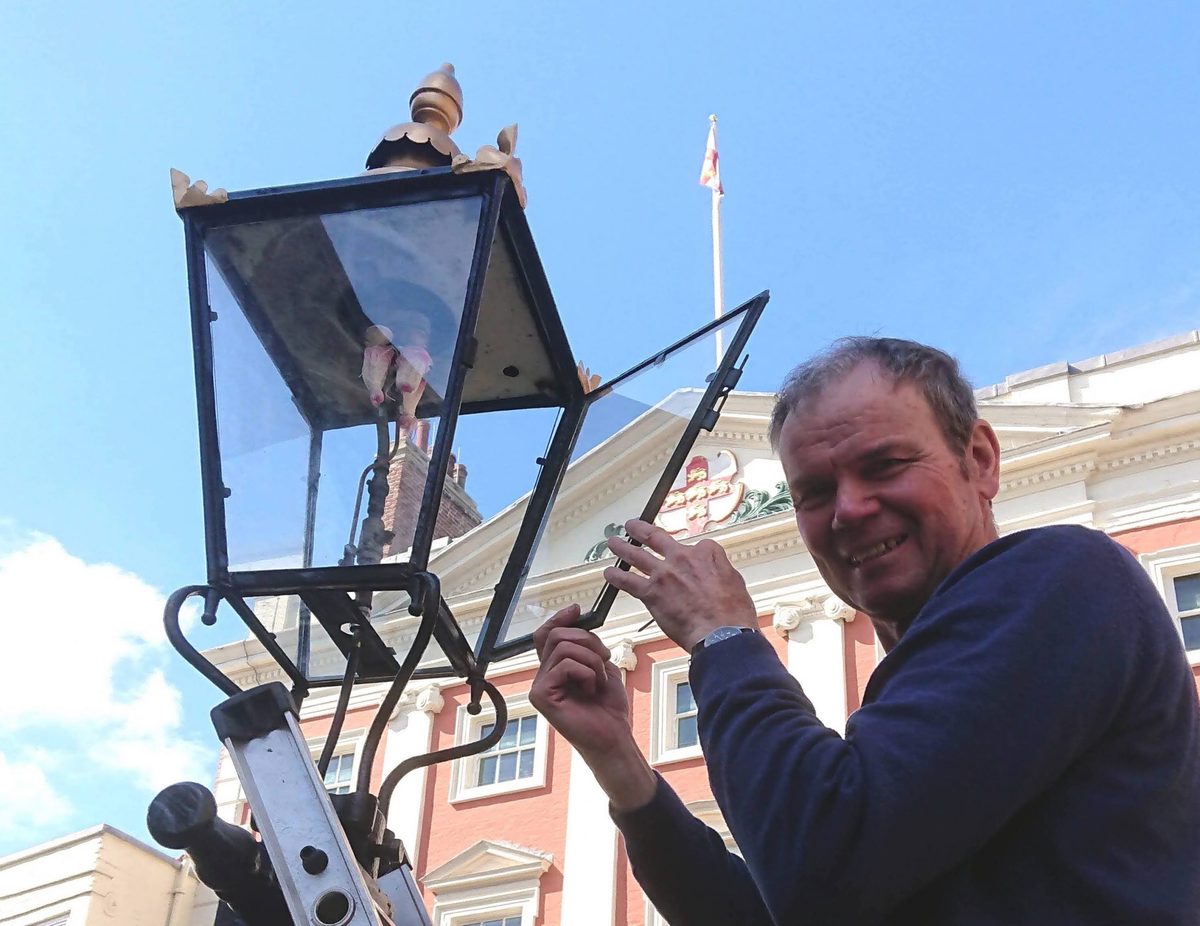
Duncan Marks shines a light on York’s historic streetlamps, exploring their overlooked contribution to the city’s character and why surviving examples deserve greater care.
As the nights begin to creep in, the way we experience York starts to change. From dusk until dawn, lighting determines what we see, where we feel comfortable walking and, less obviously, how we appreciate the city’s historic environment.
Much thought has gone into this. York Minster, the city walls, Clifford’s Tower, the Art Gallery and Castle Museum have all been illuminated. On special occasions it becomes more theatrical: York’s walls and Clifford’s Tower have turned green for St Patrick’s Day, while York BID’s 175,000-LED Winter Light festival and Colour & Light displays are winter fixtures.
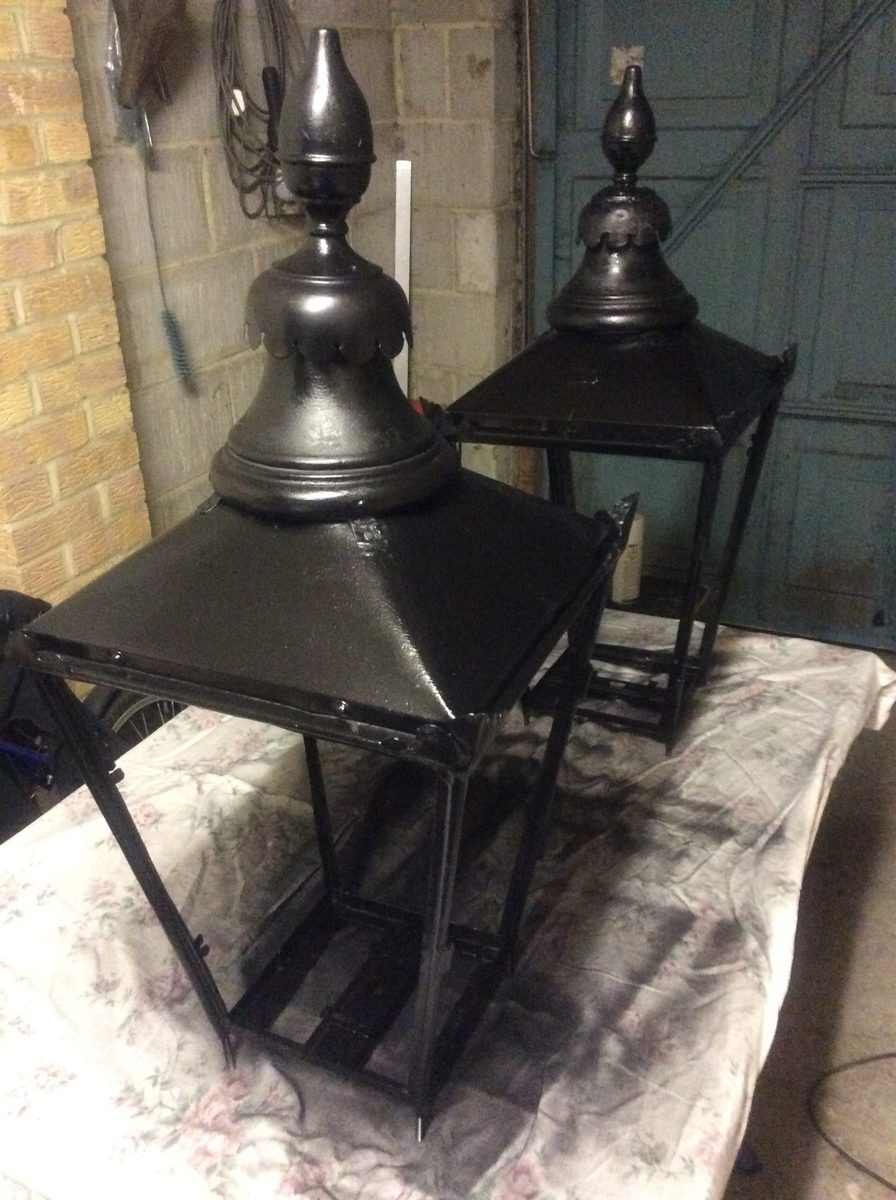
Yet amongst these grand illuminations is something much easier to overlook: the humble streetlamp.
Historic street lighting does more than help us see where we are going. Its columns, brackets and lanterns form part of a street’s character, whether beside the Minster or amongst York’s Victorian suburbs.
Before gas, streets were illuminated by oil lamps and, further back, by candles and lanterns. A major change came with the York Gas Light Company, established in 1822 in Layerthorpe, while the York Improvement Act of 1825 created new powers for paving, lighting and improving York’s streets. Lamplighters tended the growing network.
The lamps themselves still provide clues to this history. The short crossbars near the tops of some old columns are not decorative: they are called ‘ladder bars’ and used to steady the lamplighter’s ladder while they tended the gas lantern above. Cast-iron columns can also carry a manufacturer’s name and foundry marks, connecting everyday street furniture to those who made it.
Some survivors remain. The elaborate lamp west of York Minster was manufactured around 1860 by York’s own Walker Foundry. The Gothic lamps incorporated into Skeldergate Bridge date from its construction in 1879–81. York Civic Trust has helped maintain this tradition, restoring and gilding historic gas lamps around the Minster and installing those in St Helen’s Square.
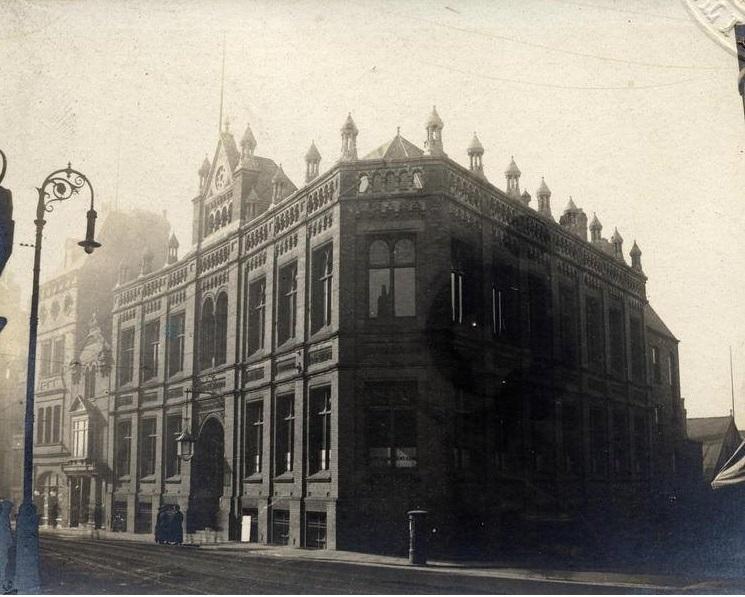
But much has disappeared. Particularly poignant is the survival at Minster Gates of probably York’s last lamp from its first generation of electric street lighting. Introduced following the opening of York’s generating station at Foss Islands in 1900, similar lamps stood across the city.
With its swirling Art Nouveau-influenced ironwork by MacKenzie Bros., the Minster Gates example is beautiful. In March 2022 it was floored by a delivery vehicle. An ordinary steel replacement would have been easier and cheaper, but public reaction showed how much such minor pieces of streetscape matter. Instead, the lamp was repaired and reinstated.
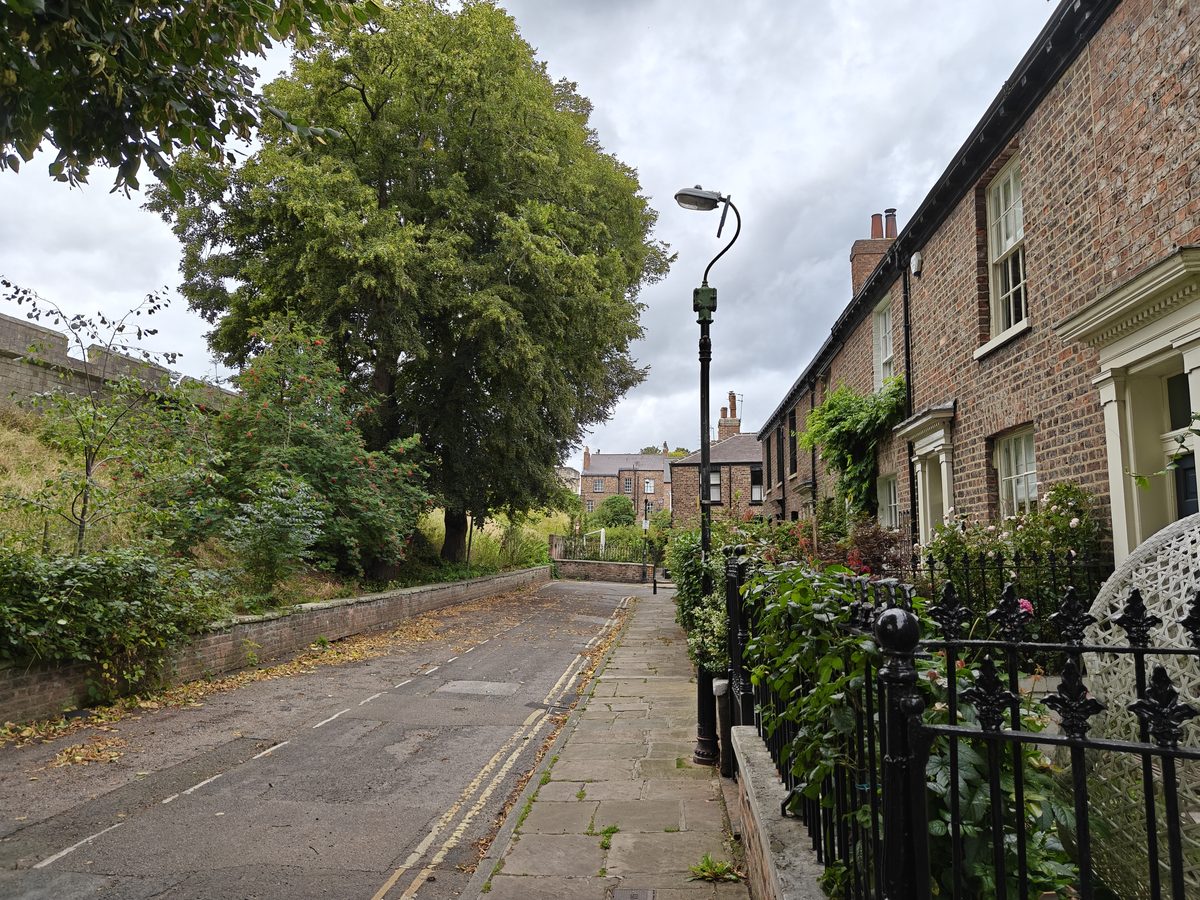
Elsewhere, historic columns survive in less happy circumstances. Many have lost their original lanterns and acquired modern highway-style lamp-heads which sit awkwardly upon Victorian or early twentieth-century ironwork. Examples around Skeldergate and Dewsbury Terrace, in full sight from the city walls, show how the wrong lamp-head can jar within an otherwise intact historic scene.
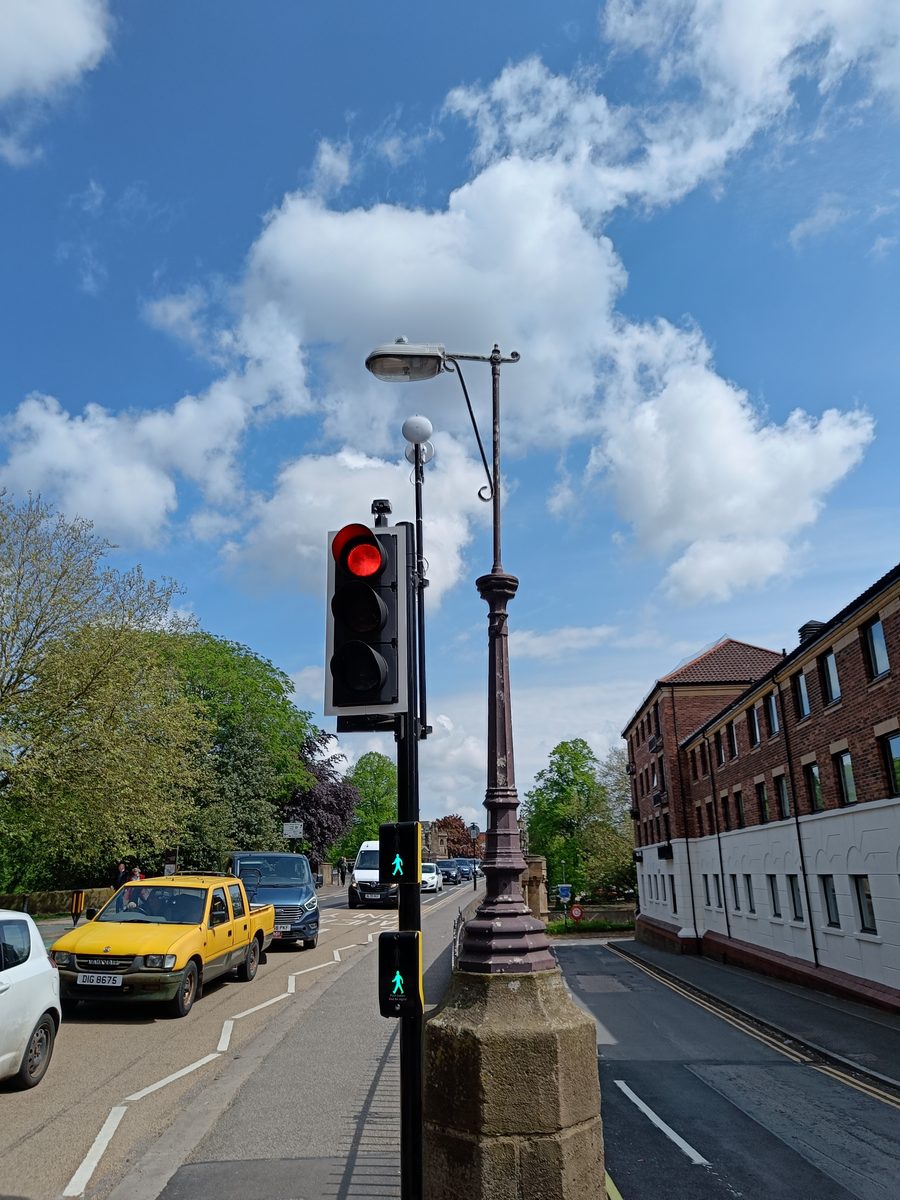
This matters because heritage is not simply York Minster, Clifford’s Tower and our listed buildings. Historic England stresses that everyday street furniture – lamps, bollards, paving and signs – contributes to local distinctiveness and our enjoyment of place. Collectively, these details help make a street feel like York rather than anywhere else.
Of course, nobody is suggesting replacing York’s thousands of modern streetlights with expensive Victorian replicas. LED lighting brings environmental and maintenance benefits, while council budgets are stretched. York’s own streetscape guidance recognises both points: supporting LED technology while calling for historic columns to be retained wherever practical and new lighting to respond to local character.
But there are opportunities for imagination. Since the 1980s, Stratford-upon-Avon has assembled a collection of more than 40 streetlamps donated from elsewhere in Britain (none from York!) and as far afield as Spain, Jordan and Israel. It has become a tourism feature in its own right.
York could start modestly: repair surviving historic columns, replace the most inappropriate modern highway lamp-heads and identify where original designs might be reinstated. We should also think harder about the next generation of streetlights when existing columns require replacement.
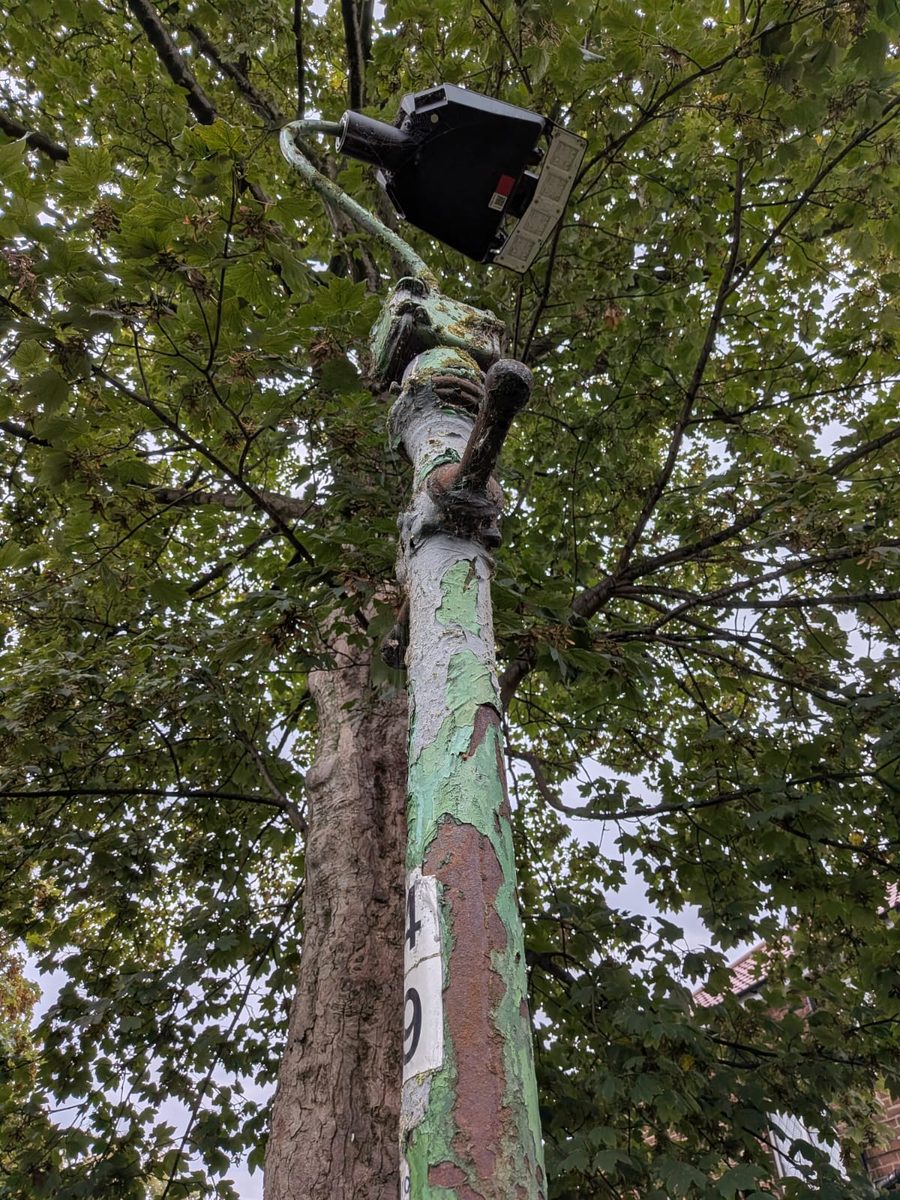
And there are historic spaces where more lighting is needed. Parts of York’s riverside and staithes and the so-called ‘snickelways’ can be remarkably dark, raising questions of both safety and how we experience some of the city’s most historic spaces after dusk.
York’s lamps may be small things amongst York’s extraordinary heritage. But sometimes it is precisely these small, familiar details that make a historic city feel special. They deserve their moment in the spotlight.