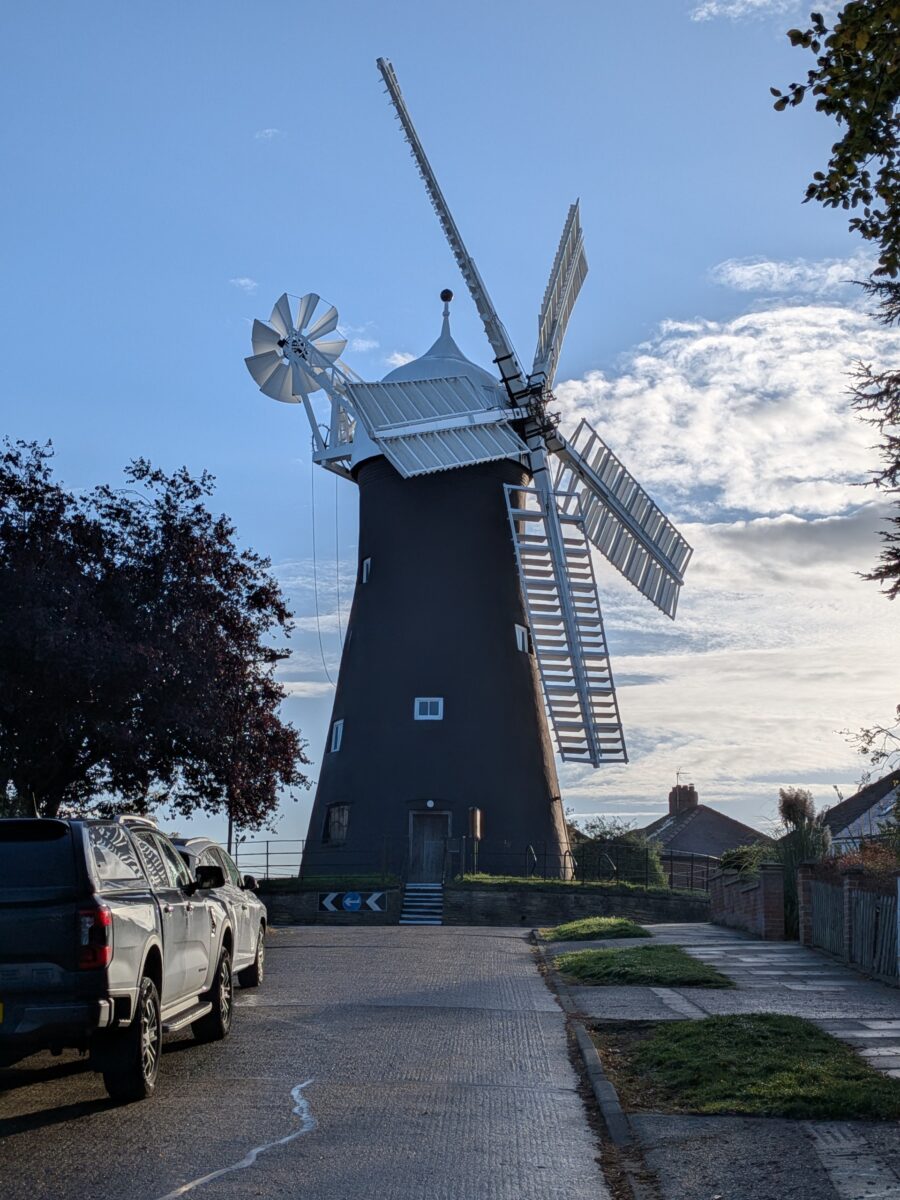
For many people there is a particular moment on almost every return journey when travelling stops and the approach to home begins.
It might be turning a corner, a familiar sound or skyline, a local smell, crossing a bridge, passing a factory chimney or spotting a tower in the distance. It might not necessary be beautiful or important. It may be completely personal or shared by many.
If you have one – what is your “homecoming landmark”? How far from home is it? How does it make you feel?
For many, York Minster seems to grow taller in the landscape the further you are away from it. It is quite often lost from view as you enter the confines of the city. This is nothing new, for centuries travellers used the spires and towers of churches to navigate across the country. The Minster’s towers announced York long before road signs were invented.
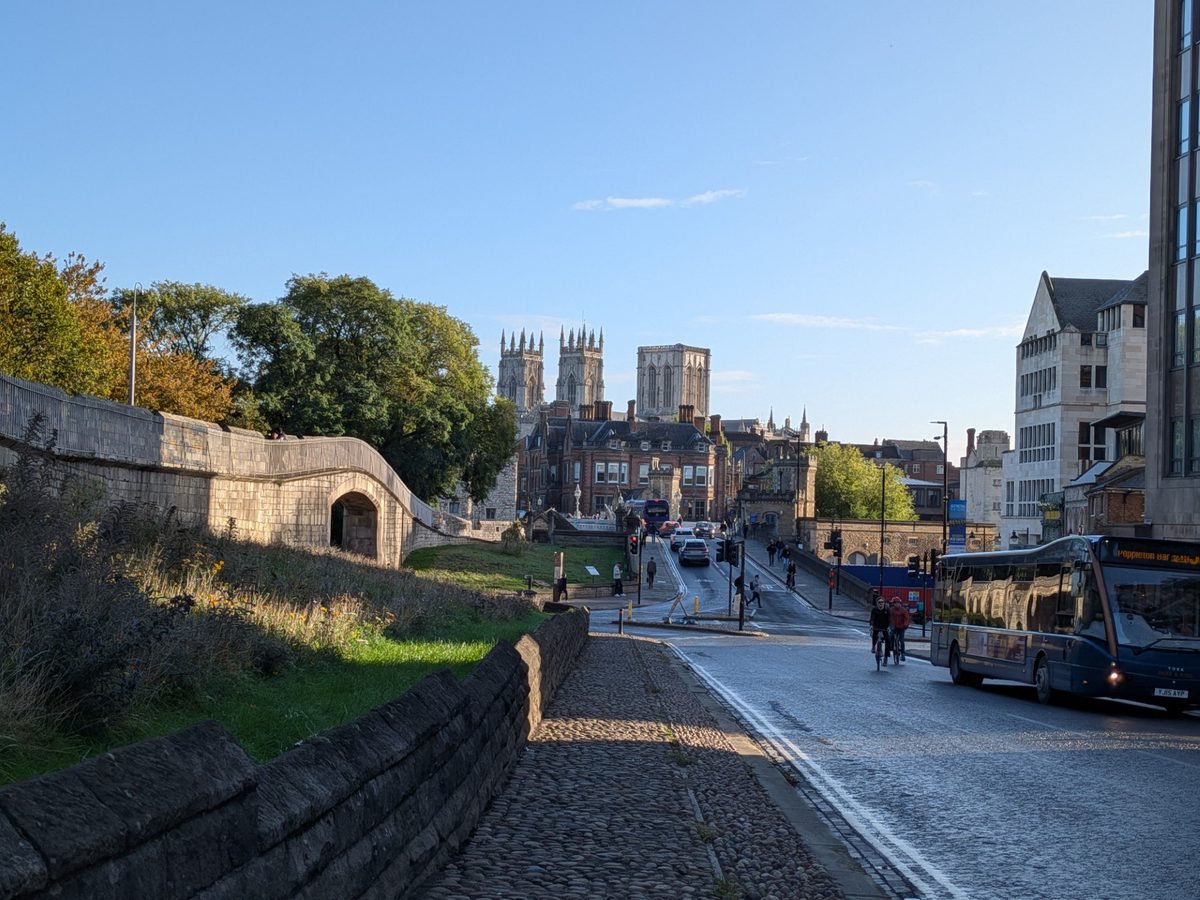
That experience has not entirely disappeared as the changing city has respected the height of the Minster leaving it looming large. For many, that first glimpse can carry an emotional significance quite different from the response of a visitor seeing one of it for the first time being struck by its beauty and scale. To the visitor it often means York. To someone returning after a long absence, it can simply mean home.
For centuries people approached York by river. The magnificence of St Mary’s Abbey or the brutal statement of control represented by York Castle would have announced you are now arriving in York for medieval travellers.
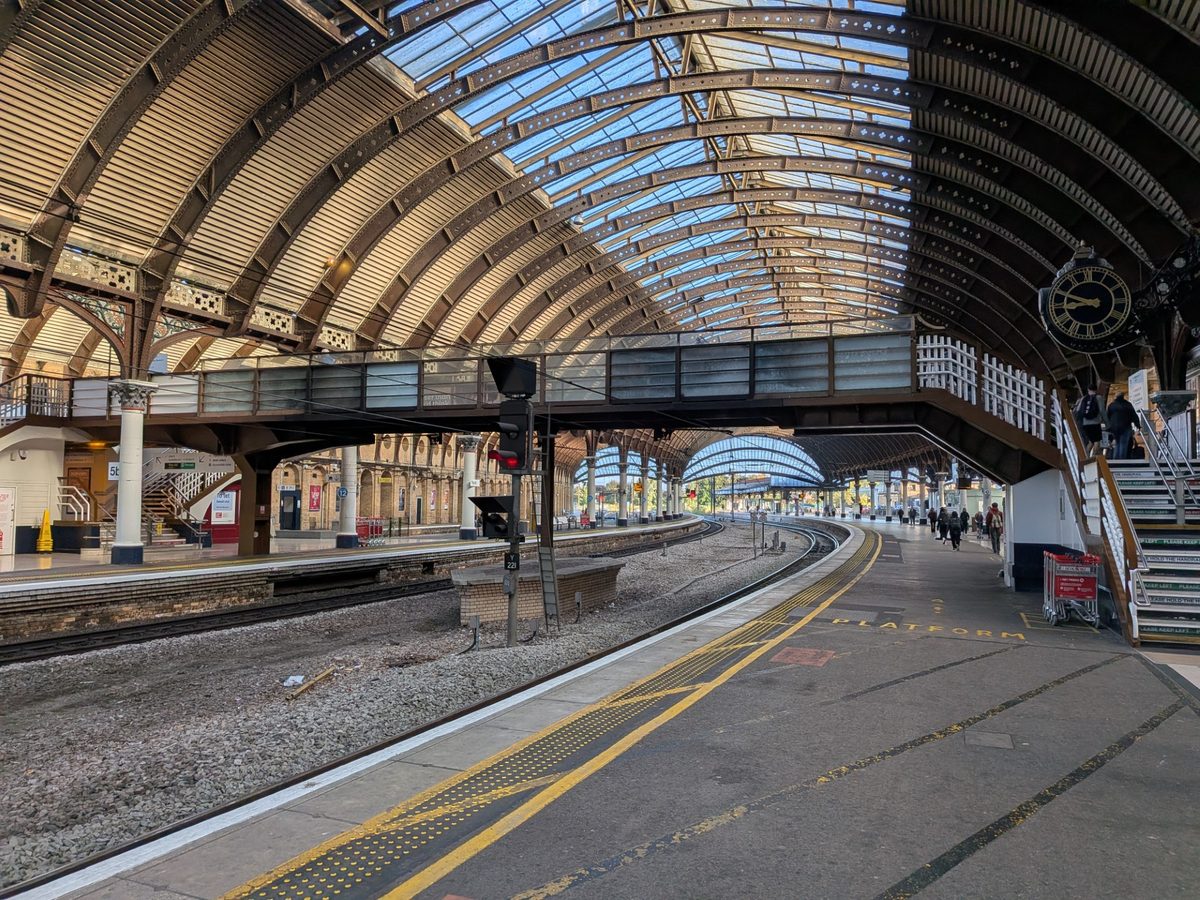
The coming of trains greatly increased the speed at which a person could arrive in the city – perhaps making a point of recognition more important. Today it may be passing Tesco’s on the East Coast Main Line or the National Railway Museum from the north that is the instigator to pack things up and stow away the table. Stepping onto the platform and being immersed in the curved roof of York Station may feel like putting a foot back on home turf – or in this case concrete.
The clock tower of Terry’s factory, with its unique clock faces, has become part of people’s mental map of the city. York’s history of chocolate manufacture also, of course may have provided, an olfactory reminder of home for those passing by Rowntrees factory.
For the many thousands of people who worked in these factories these sights and smells may not have been such a welcome sight signifying a return to work after a well-earned annual holiday.
Modern buildings such as York College spring into view as drivers swing off the A64 and onto Tadcaster Road. For some it might even be the chimney of the Tadcaster brewery that York is near and gives us hope after a long drive home. In the future the new buildings that will make up York Central may create new landmarks to note as you approach the city from the west.
But, of course, a landmark can be something inconsequential that others would not even notice. The sound and feel of the lip of a driveway, the dip of a sudden delve in the road, a tree in a hedgerow or any one of the myriad of elements that make up our landscape.
It need not be an inanimate object. It could be neighbour peering through the curtains or the bark of a neighbour’s dog.
Buildings, structures and places, sometimes, acquire value simply through familiarity. Seeing the same sight thousands of times creates a connection which is difficult to measure.
That is why the loss of apparently ordinary landmarks can sometimes affect communities so deeply. A chimney, pub, factory or shop may not feature prominently in guidebooks but remove it and people suddenly realise that part of the landscape by which they orientated their lives has disappeared.
As we travel ever more in our cars, often headphoned, or asleep in the comfort of a modern vehicle before coming to a halt only a meter from our front door is there a risk that the feeling of safe arrival becomes increasingly more constricted to our own doorstep and isolated from our shared sense of place.
That ‘I’m home’ feeling will be different for everyone. We may each have a different tradition when reaching our own landmark – like passing over the equator – or it might just allow us to breath and relax.
Where is your homecoming landmark?