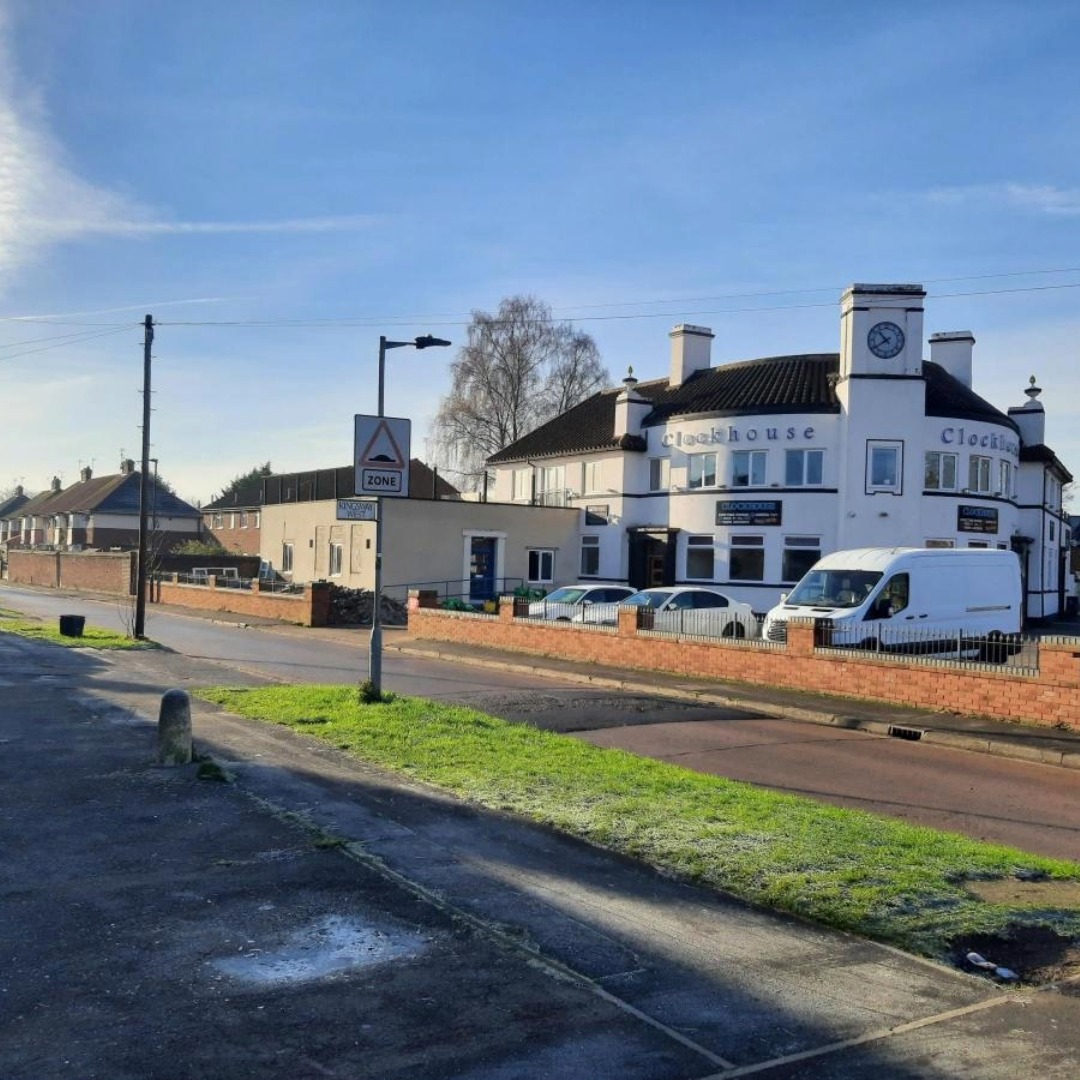
York is an internationally renowned historic city. Few people would argue with that. But an important question remains: whose history is being told?
In a year when York will celebrate its past with the international Viking Festival, the Roman Festival in May, and the 900th anniversary of St William of York at York Minster, not all residents may feel these moments reflect their own sense of history. For many people, history is not only about Romans, Vikings, or medieval saints. It is about the places that shape everyday life – where they grew up, where they walk, shop, meet friends, or raise families.
Even though they live within the boundaries of the City of York, some residents may feel that “historic York” exists somewhere else, while the places they call home are rarely recognised as part of the city’s story. Many of York’s suburbs were, often for centuries, independent villages and even like Acomb in a different county. This long history and modern incorporation into York have an impact on people’s identity and even status within the city.
This year, York Civic Trust marks its 80th anniversary. Founded just after the Second World War, at a time of enormous change for the city, the Trust has long celebrated York’s rich past. But it has also focused on how York continues to evolve, and how people experience the city today.
While York’s international reputation brings clear benefits, particularly to the visitor economy, it does not always reflect the full and more complex picture of the city’s local history.
To address this, York Civic Trust is launching a new project, Our Place (made possible by the National Lottery Heritage Fund), working with communities to better understand the places, spaces, and structures that matter most to local people – especially in areas that are less visible in the city’s traditional heritage narratives.
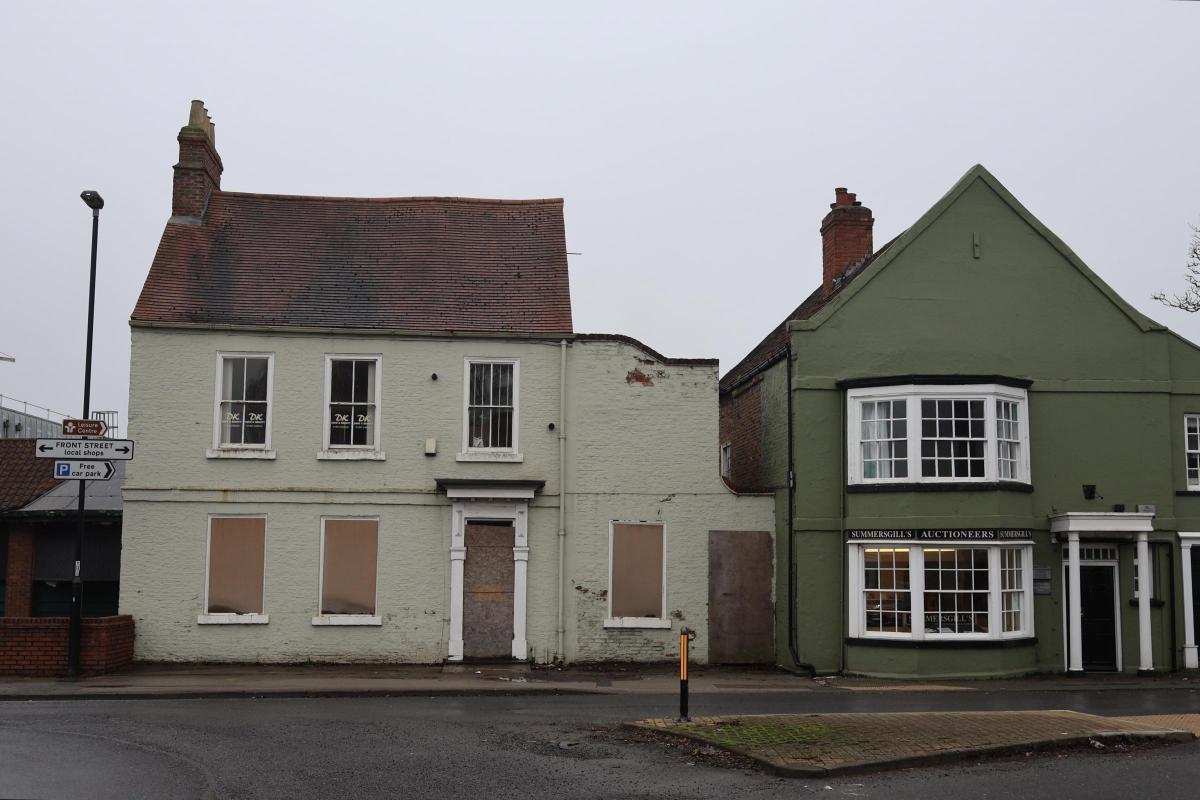
We are beginning in Acomb and Westfield. The project launched on February 18 at the newly refurbished Explore Acomb Library (well worth a visit), and over the summer a programme of creative workshops, walks, and pop-up activities will invite residents to explore what makes these areas special.
Alongside places such as Tang Hall and Clifton, Acomb and Westfield are currently under-represented in the city’s Historic Environment Record and Local Heritage List. This does not reflect the depth of history and heritage that exists there.
All of us spend our lives interacting with places and spaces that, over time, become part of who we are. They shape how we move around, how we feel about where we live, and sometimes even our sense of wellbeing and identity. When these places change – or disappear – the impact can be deeply felt.
The routes we walk to school, the shops we visit, or the green spaces where we walk our dogs may be shared by thousands of people and have been used for generations. In York, alleyways and ginnels that look like modern shortcuts can, in fact, have been in use for over a thousand years. Areas of woodland or open space often have roots stretching back centuries, with names such as Batchelor Hill, Fishponds Wood, or Quaker Wood hinting at rich and layered pasts.
Even buildings that may be overlooked or unloved today can hold powerful meaning. They may once have housed important events, formed busy parades of shops, well-used pubs, or simply are the part of the everyday backdrop to community life.
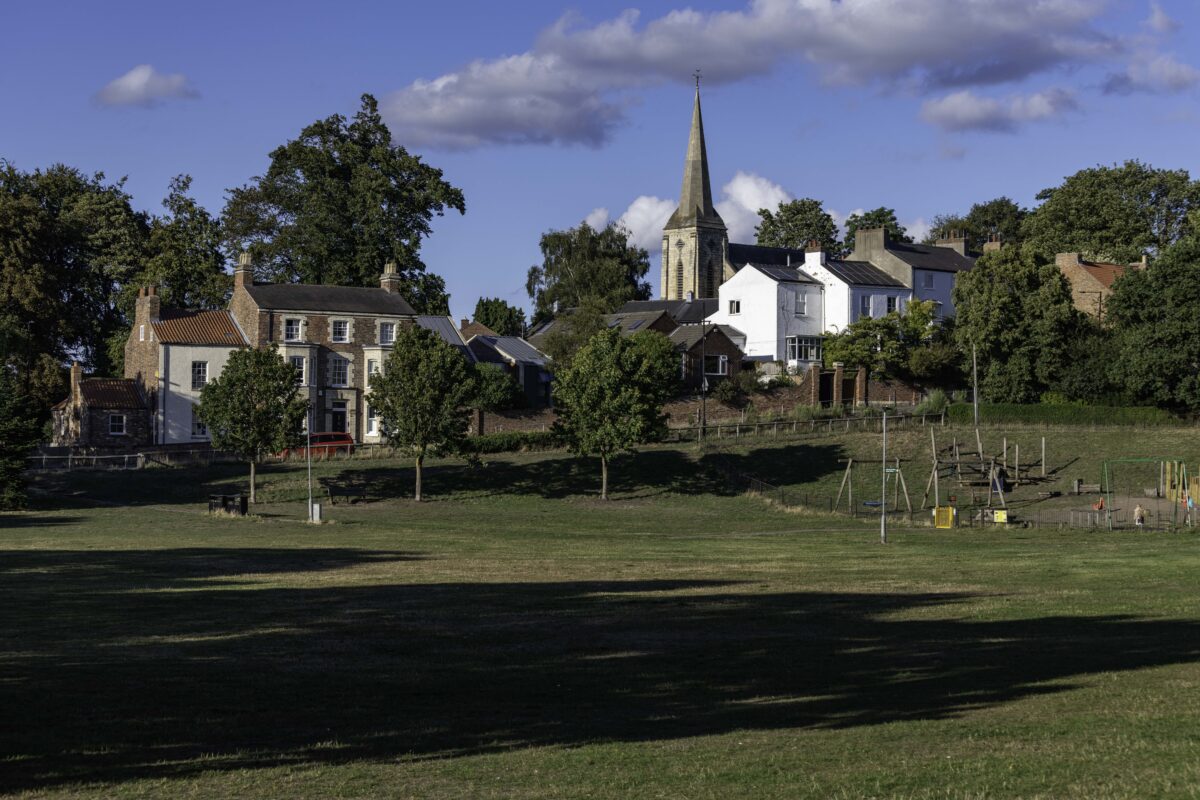
York Civic Trust is keen to hear from anyone with views on what matters to them in Acomb and Westfield – particularly from those who might not usually think of heritage as something “for them”.
For this project, heritage means the things that still exist in our landscape today. They may only be 50 years old, but they can carry deep personal and collective significance for those who live and work nearby.
While Acomb’s medieval buildings and village green may appear more obviously historic, the inter-war and modern Chapelfields, Lowfield, and Foxwood estates are just as important to their communities and deserve recognition as part of York’s living history.
We would encourage anyone who would like to nominate a building, green space, ginnel, alley, or even a lamp post that matters to them to get involved – either by visiting Explore Acomb Library and adding your vote to our new display, or by going online:
Andrew Morrison,
Chief Executive, York Civic Trust