YORK has a strong tradition as a centre of manufacturing.
For centuries the city’s businesses supplied York-made goods locally, nationally and across the world. A place of making – chocolate, iron, railway carriages, printing and publishing were all part of the manufacturing success of the city.
The evidence for many of these factories has now been built over, and the air quality of the city centre has certainly improved.
While the sector may not employ the same numbers of people, high-tech engineering and fabrication, food and heritage crafts continue the tradition. The city centre skyline was once spiked with chimneys as numerous small and medium-sized factories, mills and foundries employed hundreds of York residents.
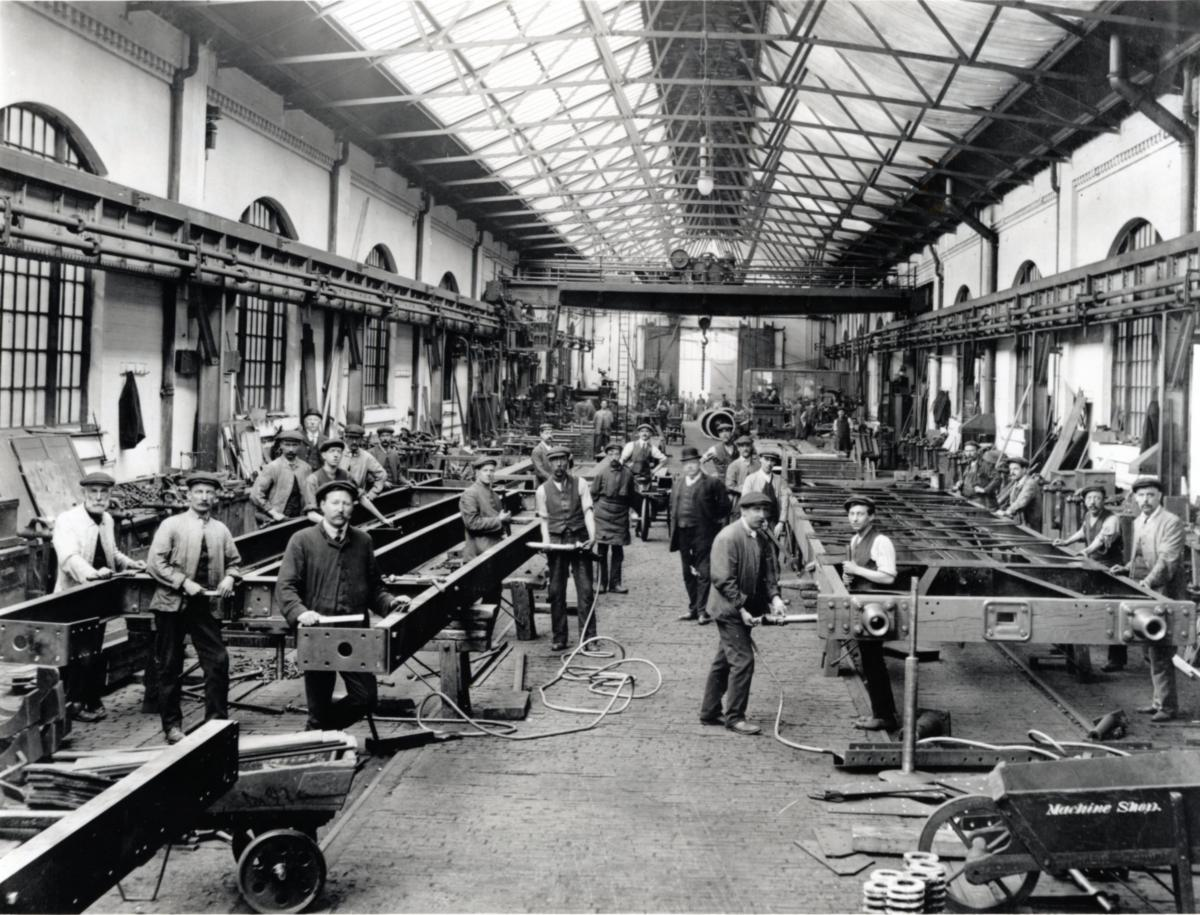
Rowntree’s, Terry’s and the city’s carriageworks employed thousands of people, mostly involved in labour-intensive manufacturing processes.
The arrival of the railways in 1840s saw a rapid rise in manufacturing across the city. The railways not only created a demand for iron goods but also reduced transport costs for both materials, in particular coal, and finished products to reach new markets.
York’s carriageworks were producing up to a 100 railway wagons a week by 1860s. This industrial growth in manufacturing also allowed feeder businesses to diversify and grow.
When Varvill’s Ebor Ironworks looked to purchase a new technically advanced steam engine in 1840 to power its manufacturing it was able to work with Bradwell’s Iron Foundry in Micklegate which designed and manufactured the first steam engine to be made within the city walls.
York’s printing industry was also one of innovation. Several newspaper and publishing companies from the 17th century were run by women, including Alice Broad in 1660s, Ann Ward – printer and newspaper proprietor 100 years later, and Mary Sessions who successfully expanded William Sessions and Co into a nationally recognised company. The printing these trailblazers would have recognised is continued through the Thin Ice Press located in St Anthony’s Hall Gardens.
Quaker business leaders, including the Rowntree family, were influential in improving factory working conditions and creating nurturing environments for their workforce.
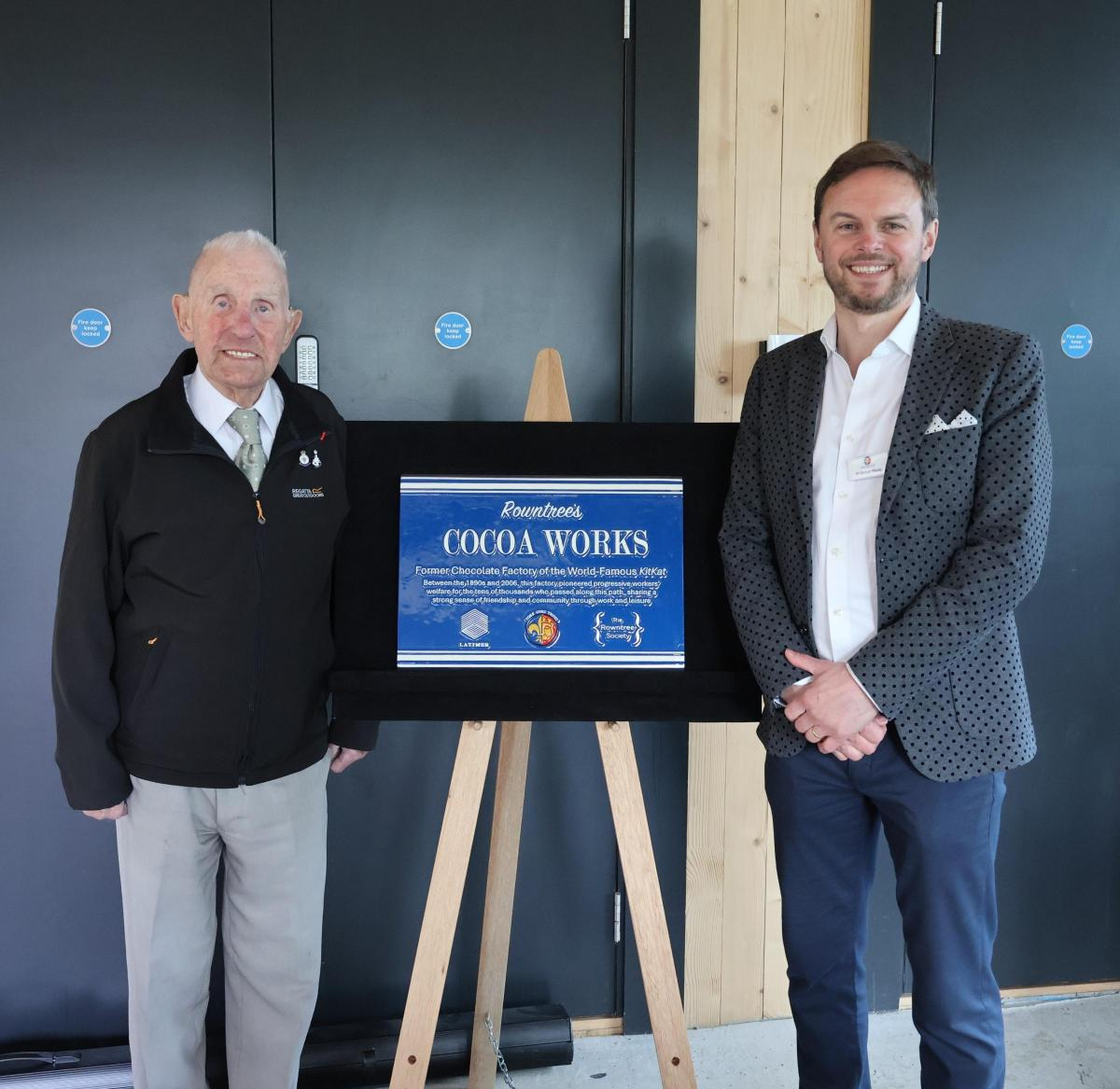
Rowntree’s Haxby Road factory was at the forefront of what became known as garden factories, with spaces for leisure, gardens for pleasure and opportunities for learning and developing skills.
The factory was celebrated this month with a new Blue Plaque from York Civic Trust on its Haxby Road entrance.
Officially unveiled by the Lord Mayor and Sherriff’s Consort, the centrepiece of the event was the recollections of Ken Cooke on his experience of working in the factory beginning in 1940.
Either side of combat in the Second World War, Ken remembered with joy the experience of being part of the Rowntree’s working family. Such was the appeal of working at Rowntree’s, often several generations of the same families were employed at the factory.
Rowntree’s forward-looking village – New Earswick – created much improved living conditions for employees, continuing to support people into retirement. However, conditions working in York’s manufacturing businesses were not always conducive to a healthy life.
In the 18th and 19th century, iron foundries were dangerous places to work. Heavy, steam-powered machinery, intense heat and little understanding of operational health or safety or the long-term effects of industrial processes and pollution led to high levels of injury and workplace deaths.
As with other industries in the mid-20th century, asbestos was a widely used product. Newly made railway carriages were insulated by spraying asbestos cement under high pressure with little or no protection for employees. The long-term and often fatal consequences of working with asbestos are now well known.
York today is at the centre of clusters of high-tech manufacturing – keeping alive the tradition of the city as a place of making.
York Minster’s centre of excellence is revolutionising the heritage craft of traditional stone masonry, establishing York as an international leader in the field. Computer driven lathes and saws allow skilled stone masons to concentrate on the finer detailed carving work.
York and North Yorkshire are having a resurgence in transport manufacturing and high-value engineering. York is also interested in training and developing the next generations of manufacturers, engineers and innovators with both the University of York and York College having advanced engineering laboratories and teaching.
Alongside all this high-tech manufacturing York still maintains its position as an international centre for stained glass window manufacturing, a craft that is centuries old.
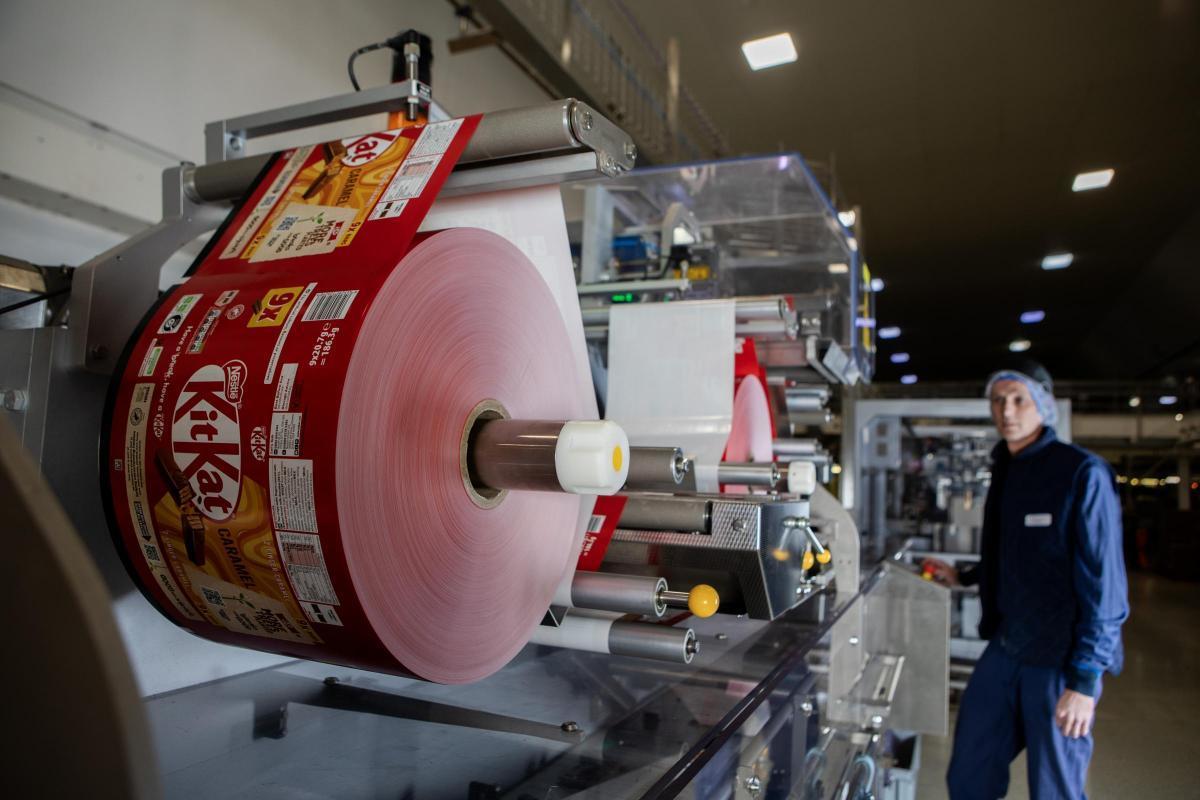
And, of course, still produces millions of KitKats each day.
Andrew Morrison is the chief executive officer of York Civic Trust