Last month, an unusual red plaque was unveiled at a comprehensive school in Sheffield. Its recipient was Olympic gold medallist Dame Jessica Ennis-Hill, who returned to her former school to celebrate.
The plaque is the first in a national initiative by the 93% Club, an organisation championing people educated in state schools. Its campaign celebrates successful former pupils, providing role models to inspire today’s students.

It will be fascinating to see who else is celebrated, and whether any York state schools receive a red plaque.
At York Civic Trust, we know a thing or two – or 150 – about plaques. We’ve been installing them across the city for almost our entire 80-year history, including the world’s first permanent rainbow plaque, commemorating Anne Lister, better known as ‘Gentleman Jack’.
Yet these red plaques challenge us to ask whom we commemorate, when we do so, and, perhaps most importantly, why.
Most commemorative plaque programmes, including English Heritage’s famous London blue plaques, only honour people who have died. English Heritage requires recipients to have been dead for at least 20 years.
There are understandable reasons for this. Time allows us to reflect on someone’s complete life and achievements and perhaps assess their contribution more objectively. Although, with barely twenty words on a typical plaque, even the most extraordinary life must be considerably condensed!
But is waiting decades after someone’s death always the best approach?
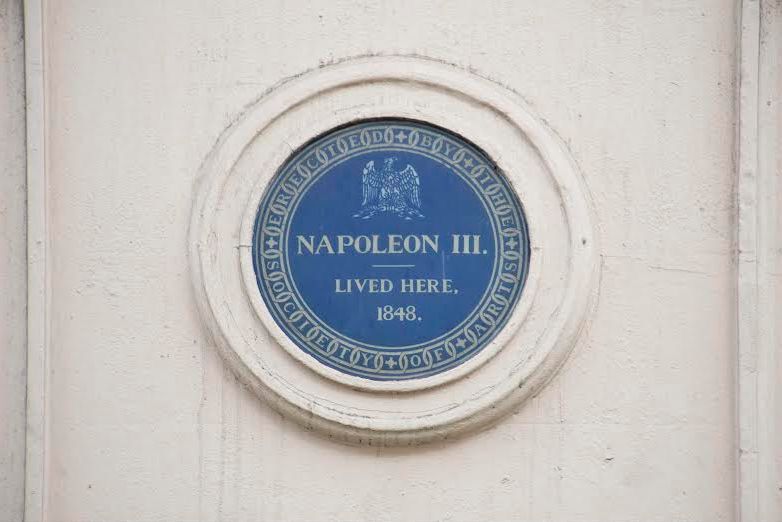
Curiously, the oldest surviving blue plaque, erected in London in 1867, commemorated someone very much alive: Napoleon III, then Emperor of France. It marked a house where he had lived during exile. So celebrating the living is hardly a revolutionary departure from the plaque tradition.
Indeed, might there be something wonderful about honouring someone during their lifetime? Imagine the recipient attending their unveiling, drawing the cord, and witnessing the appreciation of the community whose history they have helped shape.
For those we affectionately call ‘national treasures’, surely there is something to be said for expressing our gratitude while they are still around to enjoy it?
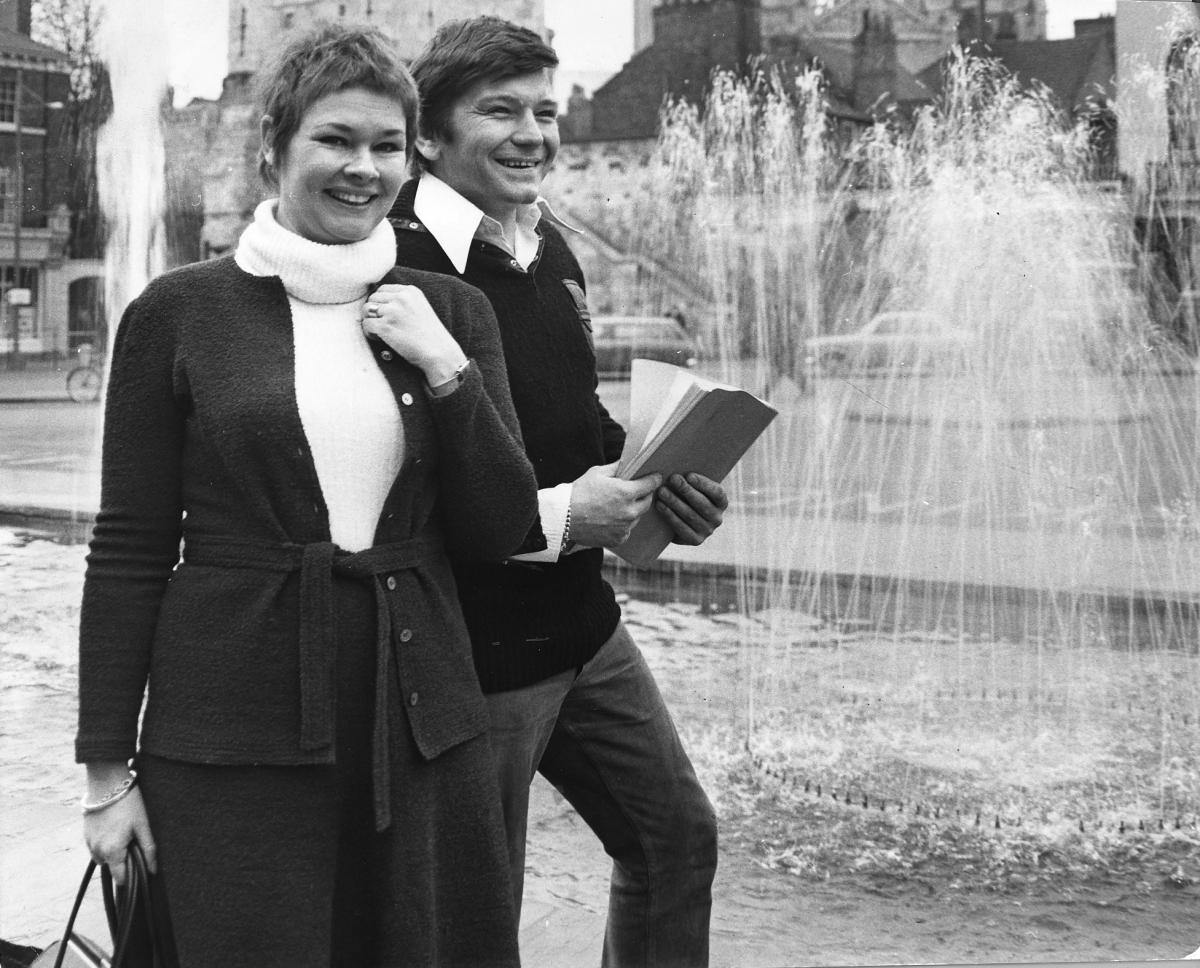
One name regularly suggested to York Civic Trust is Dame Judi Dench. Born in York, she is unquestionably one of the city’s most celebrated daughters. Yet we must politely decline requests for a blue plaque because, happily, she is still very much with us.
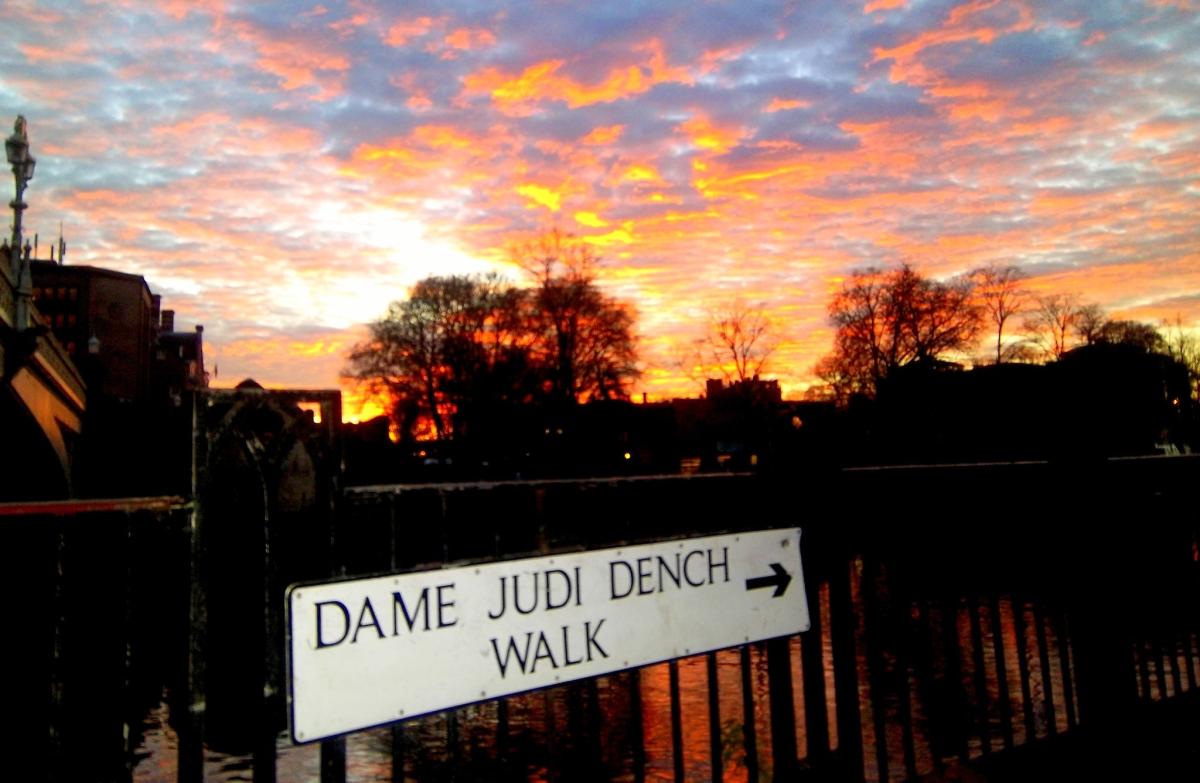
York already has a path named in her honour. Why not a plaque on a building associated with her, celebrating her extraordinary achievements while she can appreciate the gesture?
Of course, celebrating the living carries risks. Reputations can change, and history may judge today’s heroes rather differently. But is that sufficient reason to deny people recognition during their lifetimes?
This brings us to another question raised by the 93% Club: what are plaques actually for?
The Trust’s earliest plaques were principally educational. They explained curious street names such as Whip-Ma-Whop-Ma-Gate, the history of the Shambles, or the location of York’s Roman fortress.
Before the internet, these modest additions to buildings helped generations of residents and visitors understand the city’s extraordinary history.
Today, when almost any historical fact can be summoned through a mobile phone, simply communicating information is arguably less important.
Increasingly, the Trust’s plaques have focused on human stories, celebrating remarkable individuals, overlooked contributors and occasional villains who have shaped York’s past.
Our programme continues to evolve, recognising not simply famous individuals but overlooked lives, communities and events deserving a place in York’s collective memory. The Anne Lister plaque is itself a reminder that our choices reflect changing social attitudes.
After all, the plaques we install today tell future generations as much about what we value in 2026 as they do about the people and events of the past.
But the 93% Club takes this further. Its plaques are not simply intended to inform people about someone’s achievements. They are designed to inspire others to achieve something themselves.
A pupil walking past Jessica Ennis-Hill’s plaque might see more than a celebrated Olympian. They might see someone who once sat in their classroom, walked their corridors, ate the same school dinners, and faced similar challenges. Someone whose achievements suddenly seem a little more attainable.
Perhaps, then, the question is whether plaques should simply record past achievements, celebrate those we value today, or should aim directly to inspire the achievements of tomorrow.
And if York’s schools were to embrace this idea, whose name would you like to see on a plaque?